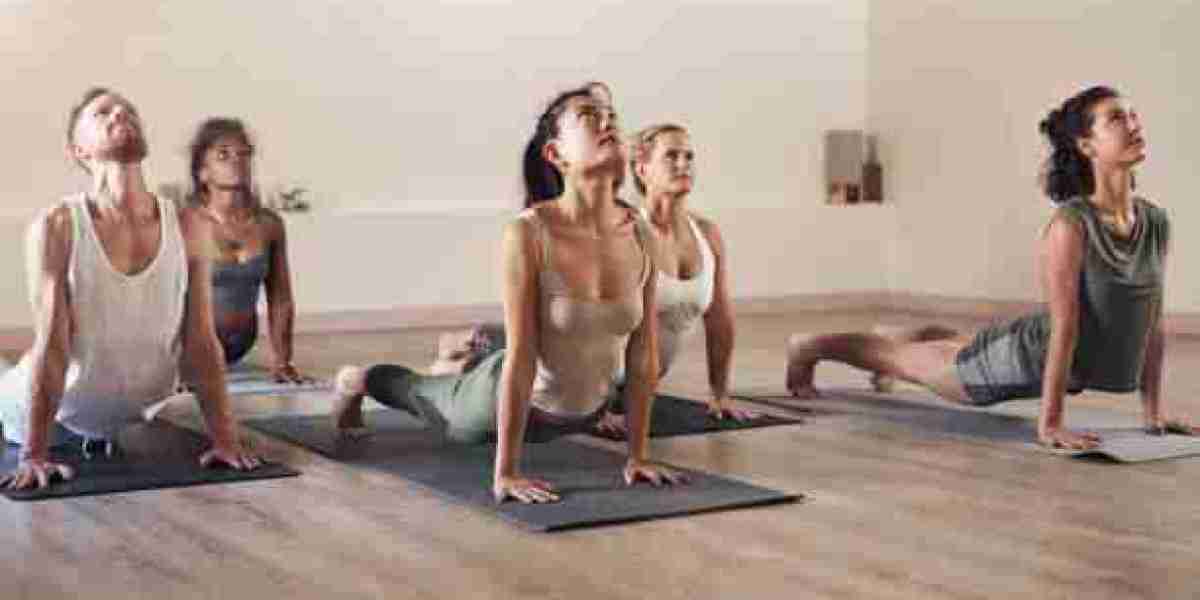
So you've decided to try Pilates. Good call. But then you start looking at class schedules and hit a wall almost immediately: reformer or mat? The names don't tell you much, the photos online look totally different, and you don't want to show up to the wrong class and feel completely lost. It's a genuinely confusing starting point, and most studios don't explain it well. If you're near Chicago and actively looking, a good first step is finding a Pilates studio in Fulton Market where staff can walk you through both options before you commit to anything. But first, let's break down what each format actually involves so you can make that call yourself.
What Mat Pilates Actually Is
Mat Pilates is exactly what it sounds like. You work on a mat, using your own bodyweight to build strength, control, and flexibility. No machines, no springs, no special equipment beyond the mat itself. Classes usually run 45 to 60 minutes and are often done in a group setting with an instructor calling out movements at the front of the room.
The exercises pull from the original system developed by Joseph Pilates, focused on what he called the "powerhouse," which is basically your core, lower back, hips, and glutes all working together. Don't let the word "beginner-friendly" fool you, though. Some mat moves are genuinely hard. The Hundred, the Roll Up, single-leg stretches done with control and full range of motion, these things take time to get right. But you can scale most of them down when you're starting out, which is part of why mat Pilates is usually the recommended entry point.
Cost is another reason people start here. Mat classes are typically cheaper than reformer sessions, both in drop-in rates and monthly memberships. If you're not sure Pilates is for you yet, a mat class is a lower-stakes way to find out.
What Reformer Pilates Is (And Why It Feels So Different)
The reformer is a piece of equipment that looks, honestly, a little intimidating at first. It's a sliding carriage on a frame, connected to a set of springs that create resistance. You push or pull the carriage using your legs, arms, or both, and the springs can be adjusted to make movements easier or harder depending on your level. It's not a treadmill. It's not a weight machine. It's something else entirely.
Because the carriage moves, your body has to work constantly to stay stable. That instability is the whole point. Muscles that don't get much attention in a regular gym workout, especially the smaller stabilizing muscles around your joints, get activated in a way that's pretty hard to replicate on a mat. You'll often feel it in places you didn't expect, like your inner thighs, the backs of your arms, or deep in your hip flexors.
According to the Wikipedia overview of Pilates, the reformer was one of the original pieces of apparatus Joseph Pilates designed, and it's been refined significantly over the decades. Modern studios use updated versions, but the basic mechanics are the same.
Key Differences Worth Knowing Before You Book
Here's a quick comparison that actually matters for a beginner making this decision.
- Cost: Mat classes run cheaper. Reformer sessions, especially private or semi-private ones, cost noticeably more.
- Equipment: Mat needs nothing. Reformer requires a machine, so you'll always need a studio.
- Instructor attention: Reformer classes tend to be smaller, which usually means more feedback on your form.
- Intensity: Both can be intense, but reformer work tends to load muscles differently and can feel harder on stabilizing muscles even at low spring resistance.
- Learning curve: Mat movements are easier to follow from verbal cues alone. On the reformer, you'll need hands-on guidance the first few times to understand how the machine works.
Neither format is strictly better. They're just different tools. A lot of regular Pilates practitioners do both, rotating based on what they're working on that week.
Which One Fits Your Goals?
This is where it gets more personal. Your reason for trying Pilates should influence which class you book first.
Core Strength and Posture
Both formats build core strength well. Mat Pilates is probably the faster path to understanding the basic principles because you can feel your own body more directly. But reformer work adds resistance, which can accelerate strength gains once you've got the fundamentals down. If posture is your main concern, either will help, though reformer sessions often include more spinal articulation work.
Injury Rehabilitation
Reformer usually wins here, partly because the spring resistance can be dialed way down, making it easier to work through a limited range of motion without aggravating something. Many physical therapists actually refer patients to reformer-based Pilates during recovery. That said, always tell your instructor about any injuries before class starts, regardless of which format you choose.
Flexibility and Mobility
Mat Pilates tends to incorporate more stretching and floor-based mobility work into the flow of a class. If flexibility is your primary goal, mat might give you more of what you're looking for in a single session.
Weight Loss and Cardio
Pilates isn't really a cardio workout in the traditional sense. It builds lean muscle and improves body composition over time, but if burning calories is your main goal, you'd want to pair either format with other activity. That said, reformer classes can feel more physically demanding and may leave you feeling more worked out right after class.
What to Expect in Your First Class
Show up a few minutes early. Seriously. Both formats benefit from a quick conversation with the instructor beforehand, especially if it's your first time. Wear form-fitting clothes you can move in, nothing too baggy since the instructor needs to see your alignment. Socks with grip on the bottom are usually required for reformer classes and helpful for mat too.
For mat classes, you'll likely follow along with the group, modify movements as needed, and leave with a decent sense of what your core can and can't do yet. For reformer, expect to spend a few minutes just getting familiar with the machine before the actual workout starts. Don't be embarrassed if things feel awkward. Everyone's first reformer class is a little awkward. That's normal.
If you're in the Chicago area and want to try both in a low-pressure environment, Better Posture Pilates offers both mat and reformer sessions at their studio, with instructors who work with beginners regularly. Worth checking out before you decide.
A good Pilates studio in Fulton Market will also let you ask questions before booking, which can make a big difference when you're just starting out. Don't be shy about calling ahead.
Frequently Asked Questions
Is reformer Pilates harder than mat?
Not necessarily harder, just different. The reformer challenges your stabilizing muscles in a way mat work doesn't, but mat exercises can be very demanding too. Your experience will depend a lot on the specific class level and the instructor.
Can a complete beginner do reformer Pilates?
Yes, but it helps to start with an intro session or a beginner-level class rather than jumping into a mixed-level reformer class. The machine takes a bit of getting used to, and having an instructor who can walk you through the setup makes a real difference early on.
How many classes does it take to see results?
Most people start noticing changes in how they feel, especially posture and core awareness, within about four to six weeks of consistent practice. Visible physical changes usually take a bit longer, around two to three months, depending on frequency and what you're comparing to.
Do I need to be flexible to start Pilates?
No. This is one of the most common misconceptions. Pilates is actually a good way to build flexibility over time. You don't need to be flexible going in. You just need to show up and be willing to move within your current range.
What should I bring to my first Pilates class?
Water, grip socks (a lot of studios sell them at the front desk if you don't have any), and comfortable fitted clothes. For mat classes, you usually don't need to bring your own mat, though some people prefer to. Check with the specific Pilates Studio in Fulton Market Chicago IL you're booking with, since policies vary.
The best format is honestly the one you'll actually go back to. Try a mat class, try a reformer session, and see which one clicks. Most studios that serve the Pilates Studio in Fulton Market Chicago IL area offer intro packages that let you sample both without a big upfront commitment. Start there.