
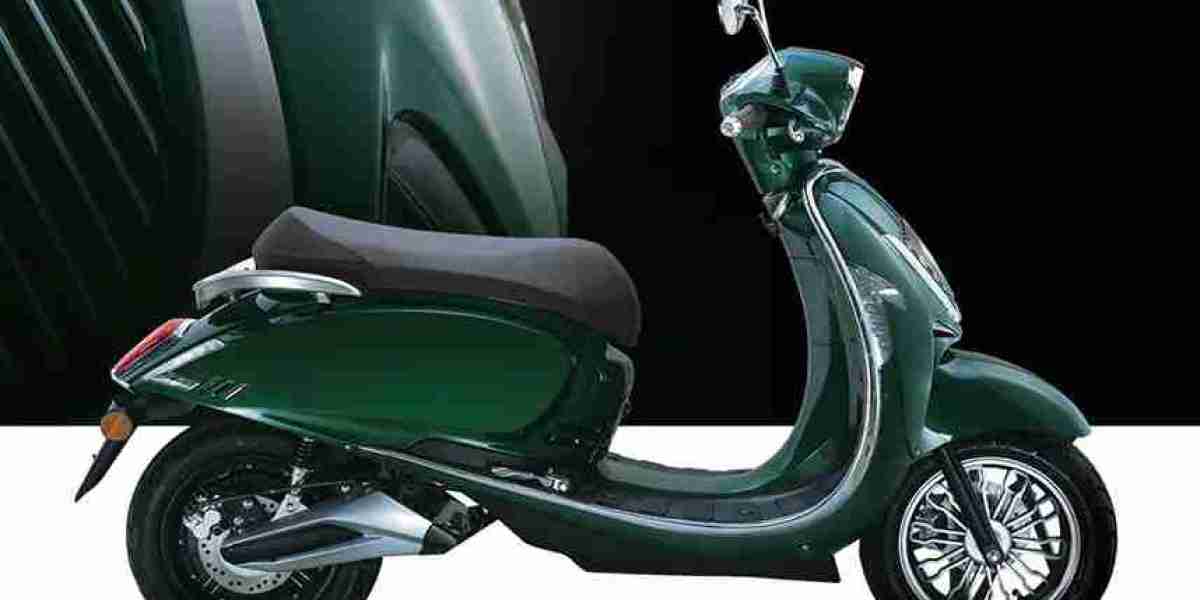
Dealers browsing supplier catalogs notice something quickly: an electric moped sells across a wider customer base than expected, pulling in college students, delivery riders, retirees, and city commuters all at once. That range matters when deciding what to stock, since one model rarely satisfies every buyer walking through the door.
Battery capacity comes up first in nearly every buyer conversation. Riders commuting short distances daily want a lighter electric moped, easier to carry upstairs or store inside a small apartment, while delivery riders logging longer routes need bigger battery packs supporting extended range without a midday charge. Suppliers offering multiple battery configurations under one moped platform give dealers flexibility, letting a single order cover several customer segments instead of committing narrowly.
Motor power ranks close behind. Urban commuters riding flat streets manage fine with modest motor output, keeping unit weight and cost reasonable, while riders navigating hilly neighborhoods or carrying passengers regularly want stronger torque built into the electric moped from the factory rather than upgraded later. Buyers sourcing wholesale volumes typically request spec sheets comparing motor wattage across trims, since that single number shapes pricing tiers across an entire product line.
Frame construction affects how a dealer markets the product too. Step-through frames appeal toward riders wearing skirts, carrying bags, or simply preferring easier mounting, while standard frames attract younger buyers drawn toward a sportier look. Stocking both styles inside an electric moped lineup broadens appeal across gender and age groups without duplicating marketing effort excessively.
Regulatory classification matters enormously for retail buyers, since local rules around speed limits, licensing, and road access vary by region. An electric moped capped around lower speed thresholds often qualifies under bicycle-adjacent regulations, skipping licensing requirements entirely, while faster models cross into moped or scooter classification requiring registration. Dealers selling across multiple states or provinces need suppliers who document top speed and power ratings clearly, avoiding compliance headaches after units already sit on showroom floors.
Financing and payment plan options increasingly influence purchase decisions at dealership counters. Riders drawn toward an electric moped often compare monthly payment figures against traditional gas scooters, and dealers stocking units across a spread of price points capture buyers hesitant toward a single premium model.
Retailers comparing suppliers ultimately weigh consistency alongside documentation, since a dealer reordering electric moped stock repeatedly wants predictable quality batch to batch, matching specs sheets without surprises once shipments actually arrive.