
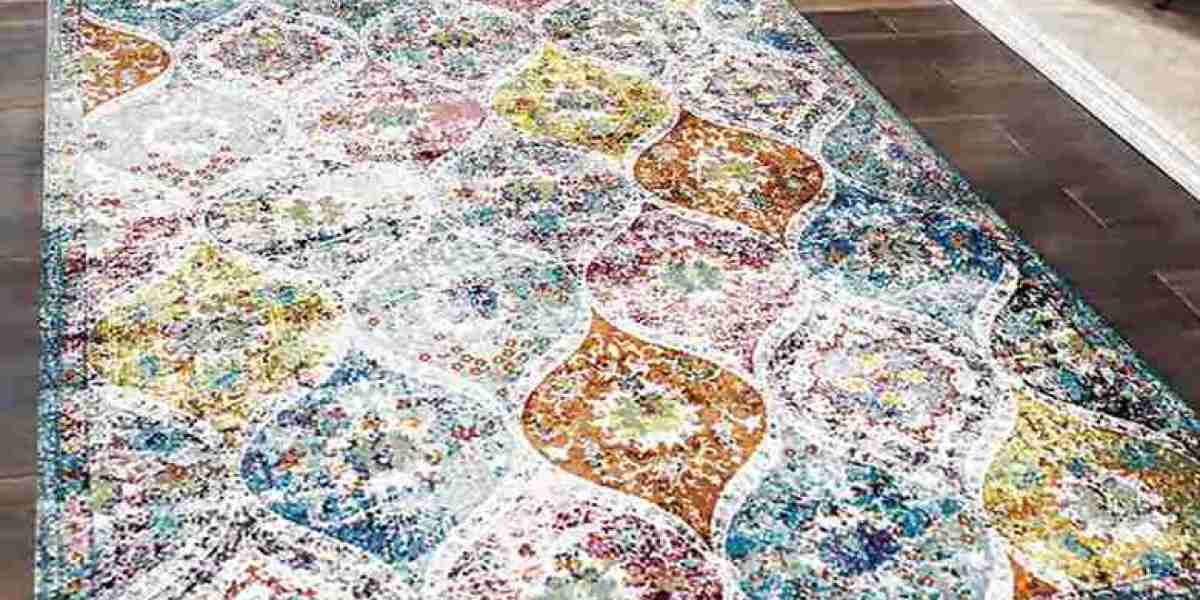
Oriental rugs bring layered visual interest to interiors through their woven designs and rich color combinations. These textiles originate from regions across Asia where weaving traditions developed over centuries. Patterns often feature medallions, vines, geometric forms, or stylized animals, each carrying cultural references that shift from one area to another.
The construction begins with a foundation of warp threads stretched tightly on a loom. Weavers then knot individual strands of wool, silk, or cotton to build the pile. The density of these knots influences the rug’s texture and the clarity of the design. Higher knot counts produce sharper outlines, while lower counts create a softer, more open appearance.
Color plays a central role in the character of Oriental rugs. Natural dyes derived from plants, insects, and minerals once dominated, producing deep reds, indigo blues, and soft ochres that age with subtle variation. Contemporary versions may blend traditional hues with more controlled tones to suit modern interiors. The interaction of these colors across the surface creates depth that changes with the light in a room.
In living rooms, an Oriental rug can define a seating area without rigid boundaries. Its borders frame the space while the central field draws the eye inward. Sofas and chairs placed on or around the rug gain a sense of grounded arrangement. The pile height affects how furniture sits and how footsteps feel underfoot.
Dining spaces also benefit from these textiles. An Oriental rug beneath a table softens sound and adds visual weight to the gathering place. Patterns that include repeating motifs help the eye travel across the surface without distraction during meals. The durability of wool fibers supports regular use while retaining the design’s presence.
Hallways and entryways offer another setting. Narrow runners featuring continuous borders or sequential medallions guide movement through the house. The tactile quality of the pile welcomes arrivals and creates a transition from outside surfaces to interior floors.
The materials themselves contribute distinct qualities. Wool provides resilience and a natural lanolin content that resists soiling to some degree. Silk introduces a subtle sheen that catches light differently depending on the viewing angle. Cotton often appears in the foundation for stability. Combinations of these fibers allow weavers to balance strength with surface interest.
Regional influences appear in the choice of motifs. Some designs emphasize symmetrical layouts with large central medallions surrounded by intricate borders. Others favor all-over patterns of flowering vines or lattice work that create a continuous field. Geometric styles rely on angular forms and repeating diamonds or stars. Each approach produces a different rhythm across the floor.
Placement decisions involve proportion and contrast. A large Oriental rug can unify an open-plan area, while a smaller one anchors a reading corner or bedside zone. Pairing the textile with plain walls or solid-colored furniture lets the woven patterns stand out. Conversely, rooms already rich in pattern may benefit from quieter designs that provide visual rest.
Oriental rugs function as both practical floor coverings and decorative elements. Their presence alters the acoustic and tactile experience of a room while introducing color and structure that other furnishings can respond to. The result is a space that feels more composed and intentional without relying on additional ornament.