Picking a wedding photographer feels simple until you start actually looking. Suddenly there are terms like "photojournalistic," "editorial," "classic," and "candid documentary," and every portfolio looks beautiful in a slightly different way. So how do you know which style is actually going to work for your personality, your venue, and the day you're planning? Truth is, most couples don't figure this out until it's too late to change their mind. If you're getting married in New England and want someone who gets the local venues, finding the Best Wedding Photographer in Portsmouth, NH for your specific style matters a lot more than just booking whoever has the nicest Instagram grid. This article breaks both approaches down in plain language so you can walk into that consultation knowing exactly what to ask for.
What Documentary Wedding Photography Actually Is
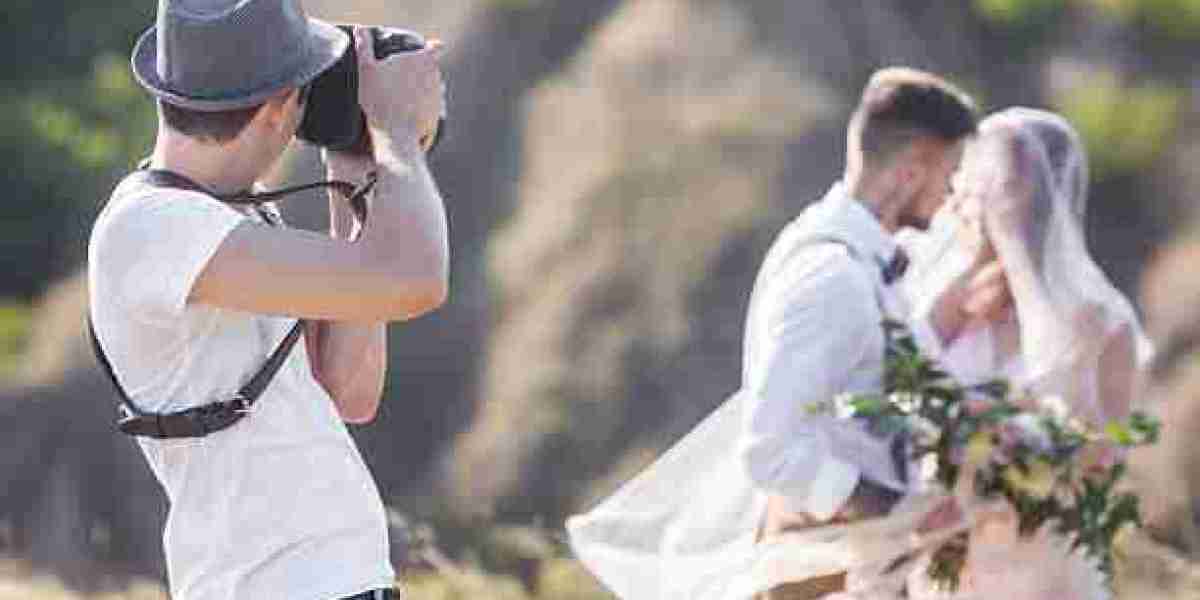
Documentary photography, also called photojournalistic wedding photography, is built around observation. The photographer stays out of your way. They don't arrange you, they don't stop a moment to fix your hair, and they're not calling your name across the room to get you to look at the camera. Their whole job is to move quietly through the day and catch things as they happen.
The results look different from traditional shots. You'll get your grandmother wiping her eye during the vows, your best friend laughing at the wrong moment during a toast, your partner's face right when you walk through the door. Real stuff. These aren't recreated later. They either get caught or they're gone forever, which is a big part of why couples who love this style love it so intensely.
The shooting experience feels pretty relaxed, honestly. You're not being directed. You just live your day and the photographer works around you. Some people find that freeing. Others find it a little nerve-wracking, especially if they're worried about what their "natural" expressions look like on camera.
What Traditional Wedding Photography Actually Is
Traditional photography is the opposite in a lot of ways. The photographer takes an active role. They'll call families together for portraits, arrange the wedding party, give you direction on where to stand and how to hold each other, and shape the light to get a clean, polished result. It's structured. And for a lot of couples, that structure is exactly what they need.
You get consistency with this approach. Every important grouping gets photographed. The formal family portraits happen because someone made them happen. Nobody ends up missing from the album because things got chaotic and the photographer was busy chasing candid moments down the hall.
The history of wedding photography is mostly traditional. Posed portraits have been the standard for generations, and there's a reason they've lasted. They're reliable. They deliver a specific kind of image that families tend to display on walls for decades.
How Each Style Feels on the Actual Day
This is the part most couples don't think about until the wedding is over. The shooting experience itself is really different depending on which style your photographer works in.
With a documentary shooter, you'll barely notice them most of the time. They're in the background. They might crouch near the altar or lean against a doorframe, but they're not interrupting. The flip side is that there's no guarantee every moment gets captured. A documentary photographer trusts instinct and timing. Good ones are almost never wrong. But it's not a controlled environment.
With a traditional photographer, you'll spend chunks of time being directed. That portrait session after the ceremony? It can take 45 minutes to an hour if there are a lot of family combinations to get through. Some couples genuinely don't mind that at all. Others find it exhausting right when they're already emotionally wiped out and just want to eat something.
Which Style Fits Which Kind of Couple
Documentary tends to work really well for couples who are expressive, who feel stiff in front of cameras, or who want their wedding photos to tell a story rather than just document the lineup of people who attended. Outdoor weddings, barn venues, and small intimate ceremonies are great settings for this approach because there's room to move and light to work with naturally.
Traditional photography fits couples who want guaranteed coverage of specific moments and people. If you've got a big family, complicated logistics, or a venue with tricky lighting (think dark ballrooms or late autumn indoor receptions), a photographer who knows how to direct and control the situation is going to give you a safer result. Also worth saying: if you've got relatives who specifically want a formal portrait, a documentary-only shooter might leave them disappointed.
Wedding Photography Services in Portsmouth, NH tend to see a mix of both, partly because the local venues range from historic downtown buildings to coastal outdoor spots. Different settings genuinely call for different approaches.
The Hybrid Approach Most Photographers Use
Here's something a lot of couples don't realize. Most working wedding photographers today don't shoot in a single pure style. They blend. They'll handle family formals in a traditional, directed way, then switch into documentary mode for the reception. It's a practical approach, and honestly it works well for most weddings.
If you're looking at portfolios and trying to figure out where a photographer lands, look at the candid shots specifically. Are they sharp, well-composed, and emotionally real? Or do they feel a bit staged? That tells you a lot about how much genuine documentary instinct the photographer has, even if they also do posed work.
One local option worth mentioning: Granite Stag Photo and Video is known for working across both styles, which can be a good fit if you're not totally sure where you land on the spectrum yet.
Also pay attention to how the portfolio is sequenced. A photographer who shoots with a storytelling mindset will often present galleries in a way that flows like a narrative, not just a collection of pretty images. That sequencing is a real skill and it matters for how your final album feels.
How to Evaluate a Portfolio Before You Book
Don't just look at the hero shots. Anyone can put together a highlight reel of their best images. You want to see a full wedding gallery, start to finish, including the in-between moments. Look at the getting-ready photos. Look at the reception candids. Look at how the photographer handled bad light or a crowded room.
Ask specifically: "Can I see a full gallery from a wedding that was similar to mine in size or venue?" That question alone filters out a lot of photographers who are great at shooting ideal conditions but shaky in tricky ones. Wedding Photography Services in Portsmouth, NH vary widely in experience with different venue types, so it's worth being specific about what you're working with.
And if you're still on the fence between styles, ask the photographer how they handle the transition between formal portraits and candid coverage. Their answer will tell you a lot about how organized and flexible they actually are on the day.
Frequently Asked Questions
Is documentary wedding photography more expensive than traditional?
Not necessarily. Price usually depends on the photographer's experience and reputation, not the style they shoot in. You'll find both documentary and traditional photographers across a wide range of price points. Don't assume one is automatically cheaper.
What if I want both styles at my wedding?
That's actually the most common setup. Most photographers are comfortable doing formal portraits for family groupings and then switching to candid documentary coverage for the rest of the day. Just be upfront about what you want so there's no confusion on the day itself.
How do I know if a photographer is truly documentary or just calling themselves that?
Ask to see a full wedding gallery, not just a portfolio highlight reel. Genuine documentary work has unposed, in-between moments that feel spontaneous. If every single image looks perfectly arranged, that's a clue the photographer works in a more directed style regardless of how they label themselves.
Does the venue affect which style works better?
Yes, a lot. Outdoor venues with natural light are generally easier for documentary shooters. Dark indoor venues or ballrooms with mixed lighting usually favor a photographer who's comfortable directing and controlling light through artificial sources. When you're searching for the Best Wedding Photographer in Portsmouth, NH, ask specifically how they handle your venue type.
Should we do an engagement session to figure out our style preference?
Honestly, yes. An engagement session is one of the best ways to see how you feel in front of a camera and how a photographer works with you. Some couples discover they're way more relaxed being directed than they expected. Others realize they hate being posed and want someone to just leave them alone. Either answer is useful before the wedding day.
Whatever you decide, the style that fits you is the one where you'll actually feel like yourself in the photos. Take your time, look at a lot of work, and don't be afraid to ask hard questions before you sign anything.