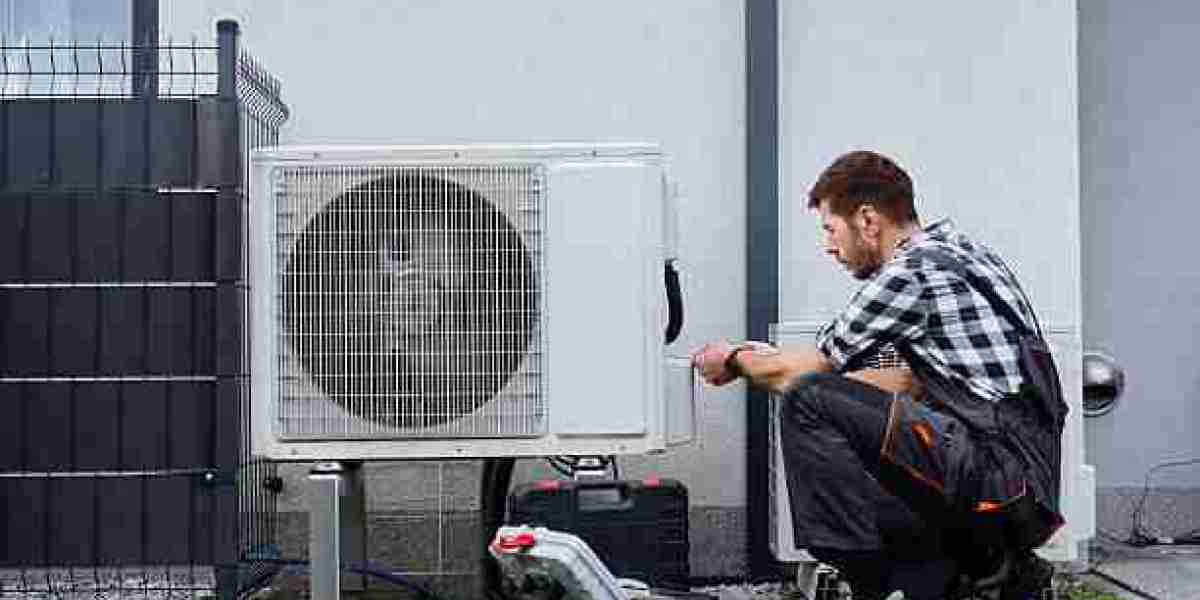
A lot of homeowners figure they'll just deal with their HVAC system when something breaks. Makes sense on the surface, right? Why pay for maintenance when nothing's wrong? But here's the thing: that logic tends to fall apart fast the first time a compressor dies in August and you're looking at a $2,000 repair bill plus a three-day wait for a technician. If you've been going back and forth on whether to sign up for a routine service plan, this breakdown should help you make a call you won't regret. Getting HVAC Maintenance in Pembroke Pines FL on a schedule is, honestly, one of the cheaper decisions most homeowners can make over the life of their system.
What Scheduled HVAC Maintenance Actually Includes
A routine maintenance visit isn't just someone glancing at your unit and calling it a day. Technicians check a whole list of things. Filters, coils, drain lines, refrigerant levels, electrical connections, thermostat calibration, and blower components all get looked at. Most plans run two visits a year, once before cooling season and once before heating season.
The cost? Usually somewhere between $150 and $300 per year for a basic plan, sometimes up to $500 if it includes priority scheduling and small parts. That's it. Not per visit necessarily, but annually. Pretty affordable when you spread it out.
What you're really buying isn't just the cleaning. You're buying early detection. A tech who spots a capacitor running hot or a coil starting to ice can fix a $40 part before it kills a $900 blower motor. That's the actual value here, and most people don't see it until they've skipped a few years of maintenance and paid the price.
What Reactive Repairs Look Like in Practice
Reactive repair means you wait until something fails, then call for help. Sometimes that's a minor fix. But a lot of the time, it's not. Systems that don't get maintained don't fail gently.
Common scenarios include complete compressor failure, refrigerant leaks that have been quietly getting worse for months, and blower motors that burn out from running dirty. Emergency service calls carry higher labor rates, often $100 to $150 more than a standard daytime appointment. Parts on emergency orders sometimes cost more too. And if your system fails during a heat wave, you might wait days.
Here's a rough look at what reactive repairs typically run:
- Compressor replacement: $1,200 to $2,500 depending on unit size
- Refrigerant leak repair plus recharge: $400 to $1,500
- Blower motor replacement: $400 to $900
- Evaporator coil replacement: $800 to $1,800
- Emergency after-hours service call fee: $100 to $300, on top of repair costs
One bad repair can cost more than a decade of maintenance plans. That's not an exaggeration. It's just math.
How Skipping Maintenance Wears Your System Down Faster
Dirty filters make your system work harder. That's not a metaphor, it's a mechanical reality. Restricted airflow forces the blower to run longer and the compressor to cycle more often, which generates heat and stress on components that weren't designed to run that hard.
Skipping coil cleaning lets grime build up on evaporator and condenser coils, which cuts heat transfer efficiency. Your unit then runs longer to hit the same temperature. Longer run times mean higher electric bills, and in South Florida that adds up fast. Some homeowners see a 20 to 30 percent jump in cooling costs from a system that's just moderately dirty.
There's also the warranty issue. Most manufacturers require documented annual maintenance to keep the warranty valid. Skip it, and a $1,500 compressor that should've been covered becomes your problem entirely. That clause catches people off guard more than almost anything else in HVAC ownership. According to the U.S. Department of Energy's guidance on central air conditioning, regular maintenance is one of the most direct ways to keep efficiency up and operating costs down over the long run.
The Real Cost Comparison, Side by Side
Let's put some numbers next to each other. Over a 10-year period, a homeowner on a maintenance plan might spend $1,500 to $3,000 total. That's the whole decade. A homeowner going the reactive route might get lucky for a few years, then face a compressor replacement, a refrigerant leak fix, and a blower motor swap inside of two years. That's potentially $3,000 to $5,000 in one rough stretch, plus higher energy bills the whole time leading up to it.
The maintained system also tends to last longer. Average HVAC lifespan with regular service runs 15 to 20 years. Without it, you're looking at 10 to 12 years before efficiency drops enough that replacement makes more sense than another repair. Replacing a full system runs $5,000 to $12,000. So the gap in total cost of ownership is real and it's wide.
If you're in the area and want a straight answer from someone local, Corbin HVAC is one option that homeowners around Pembroke Pines use for both maintenance plans and repair work. Worth a call if you're not sure where your system stands right now.
How to Decide What Makes Sense for Your Situation
System age matters a lot here. A brand-new unit under warranty? Maintenance is almost non-negotiable, both to protect the warranty and to build good habits from the start. A system that's already 12 or 14 years old? The math shifts a little. You might decide to skip the plan and put that money toward a replacement fund instead, especially if it's already had a major repair.
Budget and risk tolerance play into it too. Some people can absorb a surprise $1,500 bill without too much pain. Most can't, and for them a predictable annual cost beats an unpredictable big one any day. A maintenance contract genuinely pays for itself once it catches even a single medium-sized problem before it becomes a crisis. That happens more often than people expect.
Trusted HVAC Maintenance in Pembroke Pines FL is easier to find than most people think, and getting on a plan sooner rather than later is almost always the right move if your system is less than 10 years old. The peace of mind alone is worth something, but the actual savings usually seal the deal.
Frequently Asked Questions
How often should I schedule HVAC maintenance?
Twice a year is the standard recommendation. Once in spring before the heavy cooling season, and once in fall before you switch over to heat. That schedule catches issues before the times of year when your system is working hardest.
What if my HVAC system seems to be running fine?
Running quietly isn't the same as running efficiently. A dirty coil or a slightly low refrigerant charge won't always make noise or trigger a warning light, but it's costing you money on your electric bill and quietly wearing components down. Don't wait for obvious signs.
Are maintenance plans worth it for older systems?
It depends. If the system is past 12 years old and has already had a major repair, you might want to weigh maintenance costs against the likelihood you'll need a full replacement soon anyway. But if it's 8 to 10 years old and hasn't had problems, a plan still makes sense.
Does skipping maintenance really void my warranty?
Yes, for a lot of manufacturers it does. The fine print usually requires annual professional service and documentation of it. If you file a warranty claim and can't show service records, the manufacturer can deny it. Read your warranty paperwork carefully.
What does Trusted HVAC Maintenance in Pembroke Pines FL typically cost?
Most plans in the area run between $150 and $400 per year, depending on what's included. Some cover two visits, priority scheduling, and discounts on parts. Others are more basic. Get a clear list of what's covered before you sign anything, and compare a couple of options.
The bottom line is pretty simple. HVAC Maintenance in Pembroke Pines FL costs a fraction of what reactive repairs run, and the gap only gets wider the longer a system goes without service. Most homeowners who've been through one expensive breakdown don't need to be convinced twice.