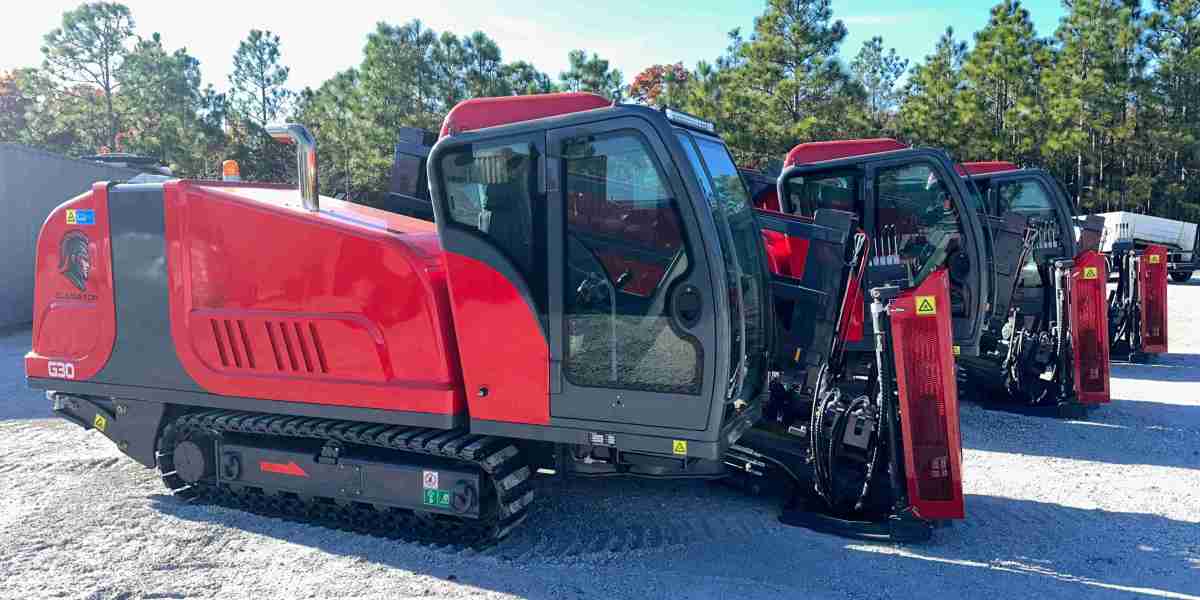
Water lines, sewer mains, gas pipelines, electrical conduits, and fiber optic networks are essential for daily life, but installing and maintaining them safely and efficiently requires the right tools. Underground utility equipment refers to a range of specialized machines built to work below the surface, enabling construction teams to complete complex installations while minimizing surface disruption.
This guide explores the most common types of underground utility equipment, how they work, why they matter, and how to choose the best solutions for your projects.
Why Underground Utility Equipment Matters
Traditional open‑cut trenching disrupts roads, landscapes, sidewalks, and traffic. It requires extensive repair, increases safety risks, and adds significant time and cost to a project. Underground utility equipment — including trenchless technologies solves these challenges by enabling utilities to be installed beneath existing surfaces without major excavation.
Key benefits include:
Reduced surface disruption
Faster project completion
Improved safety
Lower costs
Better environmental outcomes
Underground utility equipment helps contractors deliver reliable results in both urban and rural environments.
Common Types of Underground Utility Equipment
Different utility tasks require different tools. Below are the primary classes of equipment used in underground utility work:
1. Trenchers
Trenchers are powerful machines designed to dig narrow, precise trenches for pipe and cable placement. They are available in several formats:
Wheel trenchers cut using a toothed metal wheel and are best in softer soils.
Chain trenchers use a digging chain with teeth and handle tougher ground conditions.
Mini trenchers are compact and ideal for smaller urban jobs or landscaping projects.
Trenchers deliver consistent trench width and depth, making them ideal for standard water, sewer, and electrical conduit installations.
2. Horizontal Directional Drills (HDD)
Horizontal directional drilling is a trenchless technique that allows utility installation beneath obstacles such as roads, railways, and waterways. HDD machines use a rotating drill head to create a bore path, then pull pipe or conduit back through the hole.
Advantages of HDD include:
Minimal surface disruption
High accuracy in alignment and depth
Ideal for urban and environmentally sensitive areas
HDD equipment is widely used for gas, telecom, fiber optics, and water pipelines.
3. Auger Boring Machines
Auger boring is another trenchless method used for smaller bores. It involves a rotating auger that cuts soil and transports spoil back to the launch pit. The casing pipe advances simultaneously into the bore path.
Auger boring is suited for:
Shorter distances
Water, sewer, and storm drain installations
Subsurface crossings where HDD is not feasible
Auger boring reduces surface disruption and is especially useful in areas where space is restricted.
4. Vacuum Excavators
Vacuum excavation uses pressurized water or air to loosen soil and a powerful vacuum to remove it. This technology allows operators to expose underground utilities safely without damaging lines, making vacuum excavators ideal for:
Potholing (locating buried utilities)
Soft excavation
Work around congested infrastructure
Vacuum excavators increase precision and reduce the risk of accidental utility strikes.
5. Pipe Pullers and Placement Equipment
Once a bore has been created, specialized equipment like pipe pullers, winches, and assist tractors help pull pipe or cable into the bore path. These tools are especially necessary for HDD and auger boring operations, ensuring utilities are correctly seated and secured.
6. Pipe Bursting Machines
Pipe bursting is a trenchless method used to replace old or damaged pipes. A bursting head breaks the existing pipe apart while simultaneously pulling the new pipe into place. This method reduces restoration costs and avoids open excavation, making it ideal for aging infrastructure replacement.
7. Screening Buckets and Material Processing Attachments
Attachments like screening buckets help process soil, aggregate, and debris on site. These tools separate fine material from rocks or waste, making it easier to reuse cut material or prepare backfill without hauling it off site.
8. Bucket Crushers
Bucket crushers attach to excavators and convert demolition material such as concrete and brick into reusable aggregate. This reduces material disposal costs and provides on‑site crushed material for projects like trench backfill or base layers.
Applications of Underground Utility Equipment
Underground utility equipment supports a wide range of construction tasks, including:
Utility Installation:
Water, sewer, gas, and electrical conduit installation beneath streets and sidewalks.
Infrastructure Upgrades:
Replacing or expanding existing pipe networks.
Telecommunications:
Installing fiber optics and communication cables along urban corridors.
Crossings Under Roads/Rivers:
Using trenchless methods to avoid disrupting traffic and environmentally sensitive areas.
Site Development:
Supporting new construction projects with underground services.
How to Choose the Right Underground Utility Equipment
Selecting the right equipment depends on several project factors:
1. Job Scope and Scale
Large commercial or municipal projects often require robust HDD rigs and trenchers, while smaller residential jobs may only need compact trenchers or mini vacuum excavators.
2. Soil and Site Conditions
Soil type, moisture content, and the presence of rock determine which equipment will operate most effectively. Rocky or mixed soils might need chain trenchers or heavy‑duty boring tools.
3. Project Timeline
Jobs with tight deadlines benefit from equipment that delivers fast, accurate results. Trenchless solutions like HDD can speed up utility installations.
4. Budget and Cost Efficiency
Balance upfront costs with long‑term savings. Trenchless equipment may cost more initially but can lower restoration, labor, and hauling expenses.
5. Environmental Considerations
Urban or sensitive environments demand equipment that limits surface impact. Vacuum excavation and trenchless drilling are ideal for these applications.
Best Practices for Underground Utility Projects
To maximize success with underground utility equipment:
Conduct Subsurface Investigations:
Understanding soil conditions prevents surprises and enables better equipment selection.
Train Operators:
Proper training ensures safe operation and reduces costly mistakes.
Use Guidance Systems:
Laser or electronic guidance systems improve accuracy in trenchless drilling.
Maintain Equipment:
Regular maintenance extends machine life and improves performance.
Plan Site Logistics:
Effective layout of pits, access points, and spoil management streamlines workflows.
Safety and Compliance
Working underground carries risks, especially around live utilities. Always:
Call local utility locating services before digging.
Use proper signage and barriers at open pits.
Train operators on excavation safety standards.
Follow OSHA and local regulations for underground work.
Future Trends in Underground Utility Equipment
Innovation continues to shape the industry. Some notable trends include:
Automation and GPS:
Equipment with automated steering and GPS guidance is improving accuracy and reducing operator fatigue.
Electric and Hybrid Machines:
Lower emissions and quieter operation help urban projects and reduce environmental impact.
Modular Attachments:
Versatile attachments that adapt to multiple job types reduce fleet costs.
Digital Monitoring:
Telematics and performance analytics help equipment managers improve productivity and maintenance planning.
Conclusion
Underground utility equipment plays a crucial role in modern construction, enabling safe, efficient, and cost‑effective installation and maintenance of essential infrastructure. From trenchers and horizontal directional drills to vacuum excavators and pipe bursting systems, each type of equipment offers unique advantages for specific applications.
Choosing the right tools for the job and following best practices helps contractors deliver projects that meet timelines, budgets, and safety standards. As technology advances, underground utility equipment will continue to evolve, offering better performance, reduced environmental impact, and more seamless integration with construction workflows.