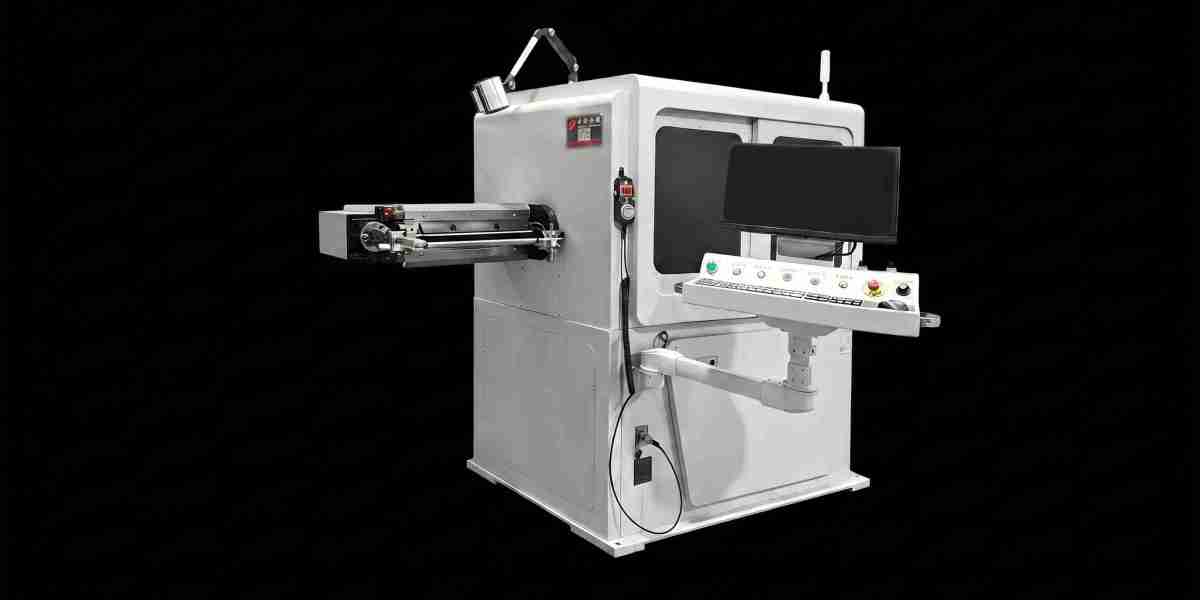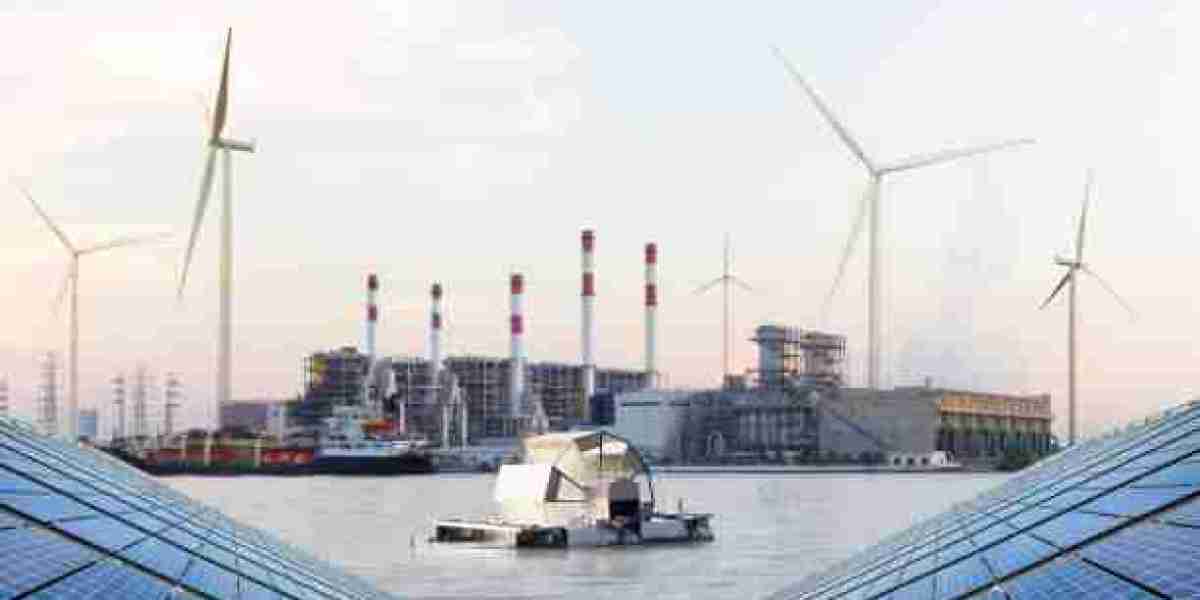
Microturbines are compact power-generation systems designed to produce electricity close to the point of consumption. Their relatively small footprint, modular architecture, fuel flexibility, and ability to support combined heat and power (CHP) applications make them relevant across commercial buildings, industrial facilities, wastewater treatment plants, remote infrastructure, and other distributed-energy applications. Their role is becoming more significant as organizations seek reliable onsite generation alongside increasingly complex electricity networks.
According to MarkNtel Advisors, the global microturbine industry was valued at USD 109 million in 2025 and is projected to reach USD 158 million by 2032, expanding at a CAGR of 4.69% during 2026–2032. The microturbine industry is projected to reach USD 158 million by 2032, while the 50–250 kW power-rating segment accounts for approximately 55% of overall volume. Natural gas represents around 60% of demand, and North America holds roughly 40% of global demand.
Distributed Generation Strengthens Adoption
Microturbines generate electricity at or near the point of use, reducing dependence on long-distance electricity transmission. This configuration can be particularly useful for facilities that require continuous electricity, have constrained grid connections, or operate in locations where centralized power infrastructure is less reliable.
The U.S. Department of Energy recognizes distributed energy resources as technologies that can generate or store energy near where it is consumed. Microturbines can operate as one component of such distributed systems, potentially working alongside solar generation, batteries, fuel cells, and other technologies. DOE distributed energy resources overview
CHP Improves Utilization of Fuel
One of the major advantages of microturbines is their ability to operate in combined heat and power configurations. Instead of releasing thermal energy as waste, CHP systems recover useful heat for applications such as water heating, space heating, drying, or industrial processes.
The U.S. Environmental Protection Agency notes that microturbines are among the prime movers used in CHP systems and that typical microturbine CHP systems can achieve total efficiencies of approximately 60–70%. Recovering useful thermal energy can therefore improve overall fuel utilization compared with generating electricity alone. EPA CHP efficiency resources
Commercial and Industrial Facilities Remain Key Users
Commercial and industrial facilities represent important application areas because their electricity and thermal requirements can occur simultaneously. Hotels, hospitals, office complexes, manufacturing plants, food-processing facilities, and wastewater-treatment sites can potentially use microturbines to generate onsite electricity while recovering heat for facility operations.
The 50–250 kW rating category accounts for approximately 55% of global microturbine volume, according to MarkNtel Advisors. This range aligns with the requirements of many commercial and institutional facilities where modular generation can be scaled according to electricity demand.
Wastewater treatment plants can also benefit from distributed generation. Facilities that produce biogas from anaerobic digestion may use this fuel for onsite energy generation, creating an opportunity to convert an existing waste stream into electricity and useful thermal energy.
Natural Gas Continues to Lead Fuel Demand
Natural gas accounts for approximately 60% of global microturbine volume, according to the MarkNtel Advisors assessment. Its established infrastructure and suitability for continuous generation have supported its widespread use in microturbine systems.
At the same time, fuel flexibility is becoming increasingly relevant. Microturbine systems can potentially be configured to operate with fuels such as biogas and renewable natural gas, depending on equipment design and fuel quality. This creates opportunities for applications where locally available gaseous fuels can be used to support distributed electricity production.
The U.S. EPA highlights microturbines within its catalog of commercially available CHP technologies, covering their operating principles, performance characteristics, and application considerations. EPA microturbine CHP technology guide
Microgrids Create Additional Opportunities
Microturbines can also contribute to microgrid architectures, where local generation, energy storage, loads, and controls operate together. Microgrids can function in coordination with the main electricity network or, when appropriately designed, continue supplying critical loads during grid disruptions.
This capability makes distributed generation relevant to hospitals, emergency facilities, industrial plants, campuses, and other sites where electricity reliability is important. The EPA notes that CHP can enhance the resiliency of commercial, industrial, and government facilities while also supporting renewable integration and electricity-dispatch flexibility. EPA CHP and energy resilience resources
Digital Controls Improve System Management
Modern microturbine installations increasingly incorporate digital monitoring and automated controls. Operators can track electricity output, fuel consumption, operating temperatures, maintenance indicators, and other performance parameters to improve system management.
Digital controls can also help coordinate microturbines with batteries, renewable generation, and facility loads. This allows operators to adjust generation according to demand and electricity conditions rather than treating the microturbine as an isolated generation unit.
The International Energy Agency identifies distributed energy resources, digitalization, storage, and flexible demand as important elements of evolving electricity systems. IEA electricity-system flexibility analysis
North America Maintains a Leading Position
North America accounts for approximately 40% of global microturbine demand, according to MarkNtel Advisors. The region's position is supported by established distributed-generation infrastructure, CHP adoption, industrial applications, and demand for resilient onsite power.
The region also has extensive experience integrating distributed generation with commercial and industrial energy systems. Continued investment in resilient electricity infrastructure and cleaner distributed-energy technologies can support additional microturbine applications.
Outlook for Microturbines
The microturbine industry is developing around the combined priorities of onsite generation, fuel efficiency, resilience, and flexible energy management. CHP remains a major value proposition, while microgrids, renewable integration, biogas utilization, and digital controls are expanding potential applications.
Future adoption will depend on equipment costs, fuel prices, electricity tariffs, grid reliability, emissions requirements, and the availability of suitable heat loads. As organizations seek more flexible distributed-energy solutions, microturbines are likely to remain a relevant technology for applications where electricity and useful thermal energy are required at the point of consumption.