
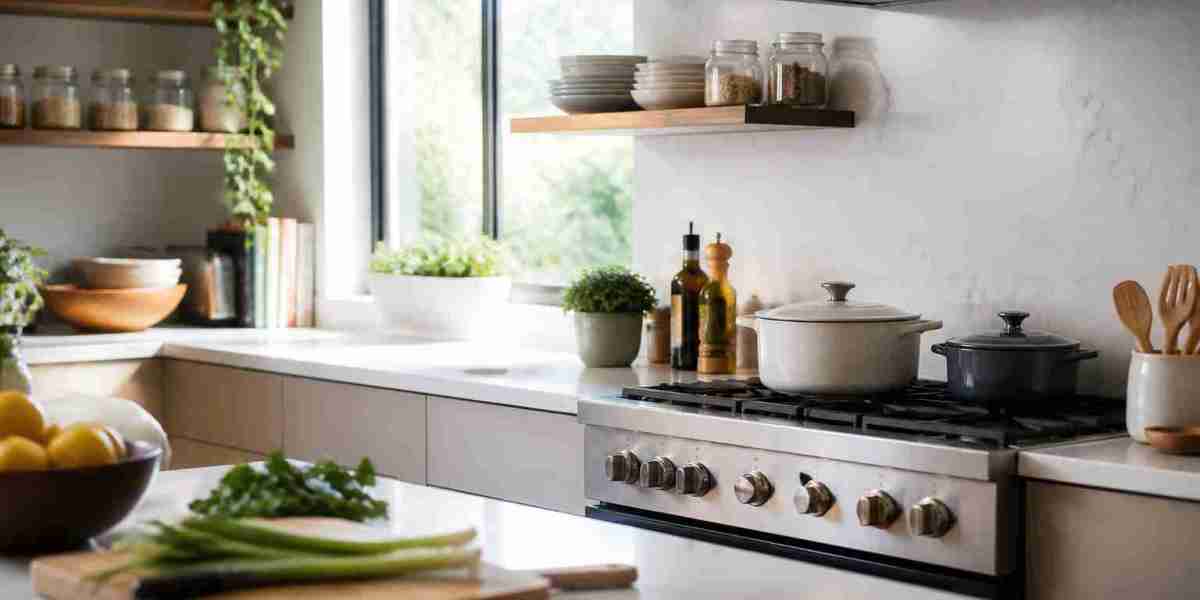
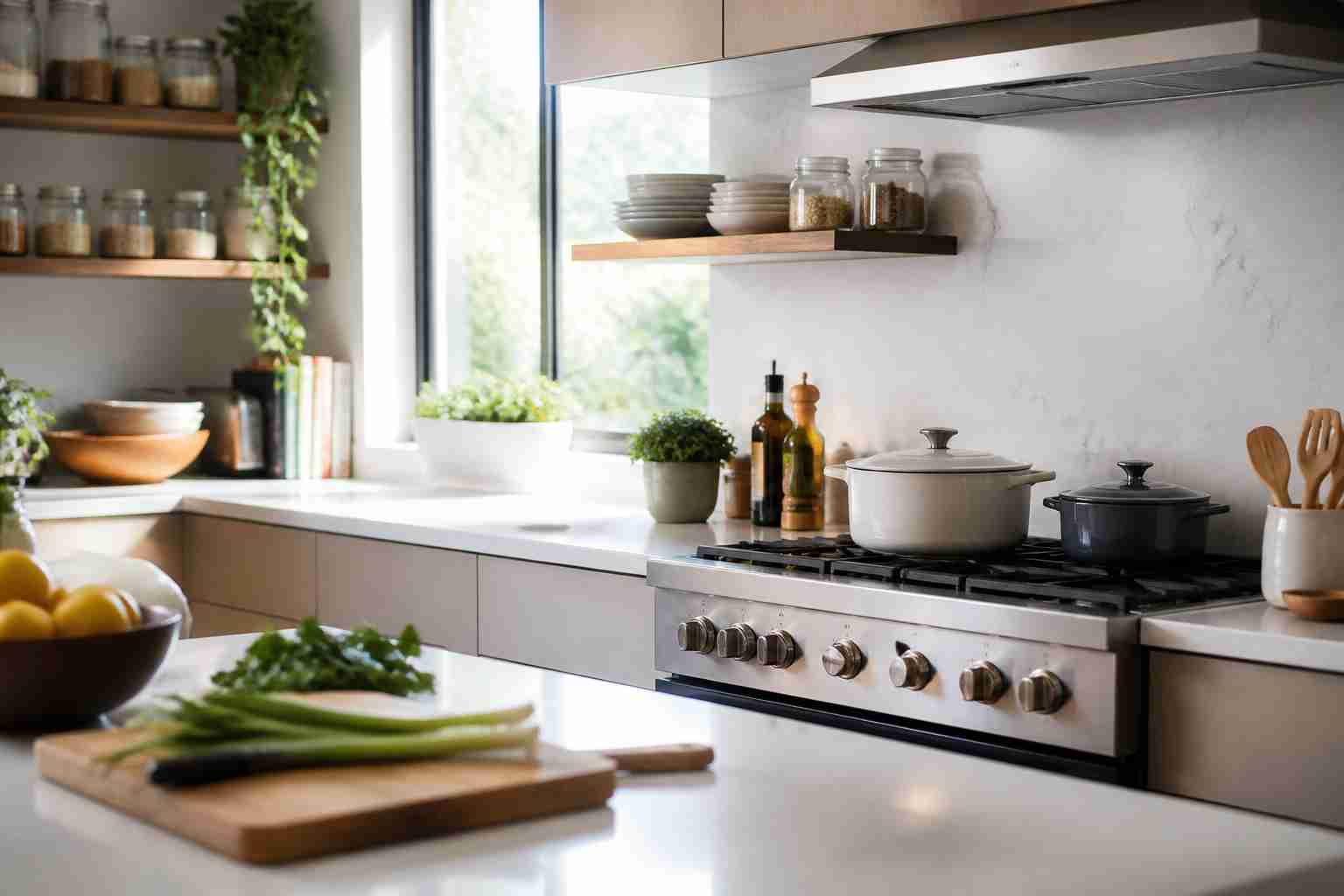
The kitchen is the busiest room in many homes, yet it is easy for drawers to overflow and counters to disappear under gadgets. Smart home and kitchen planning starts with how you actually cook, not how cooking shows look on television. Map your weekly meals, note bottlenecks—maybe dull knives or missing storage—and invest where repetition causes pain. A few reliable tools beat a crowded gadget graveyard every time.
Zone your space for efficiency. Keep prep tools near cutting boards, spices near the stove, and cleaning supplies under the sink with child locks if needed. Store heavy pots low and frequently used plates at eye level. Clear counters by mounting racks for mugs or magnetic strips for knives where safe. Label pantry containers with contents and purchase dates so ingredients stay fresh and identifiable.
Cookware material affects results. Stainless steel excels at searing; non-stick eases eggs and delicate fish; cast iron holds heat for slow cooking when seasoned properly. Choose sets with lids that fit multiple pots to save space. Avoid scraping non-stick with metal utensils, and use oven mitts rated for your highest baking temperatures. One quality skillet and saucepan upgrade countless meals.
Knives deserve focus because dull blades cause accidents. A chef’s knife, paring knife, and serrated bread knife cover most tasks. Hone regularly and sharpen professionally or with guided tools a few times a year. Cut on boards that protect edges—wood or soft composite—not glass. Store knives in blocks or guards, not loose in drawers where edges chip and fingers risk cuts.
Small appliances should earn their footprint. Blenders for smoothies and soups, mixers for baking, and pressure or slow cookers for batch cooking are common workhorses. Read wattage and capacity against your family size. Cord storage and stable bases reduce clutter. Unplug when not in use and keep vents unobstructed for safety and longevity.
Storage containers transform pantries and refrigerators. Airtight jars keep grains and snacks crisp; modular stacks use vertical space. Glass shows levels at a glance; BPA-free plastic weighs less for lunches. Date leftovers with masking tape or erasable markers. Freezer-friendly containers reduce food waste and make busy weeks manageable when you batch cook on weekends.
Tableware and serveware set the tone for daily dining and guests. Neutral plates layer with colorful bowls for flexibility. Sturdy glassware resists chips; stainless cutlery polishes easily. Table runners and placemats protect surfaces and add festive flair without full cloth setups. Keep a small set of guest-ready pieces even if everyday dishes are casual.
Cleaning routines maintain hygiene and morale. Separate sponges for dishes and counters, replace them often, and sanitize sinks weekly. Use appropriate cleaners for stone, laminate, or stainless surfaces to avoid etching. Trash systems with lids control odors; compost bins help where municipal programs exist. A ten-minute nightly reset—load dishwasher, wipe counters—prevents weekend marathons.
Energy and water habits matter. Match pot size to burner, lid pots to simmer faster, and maintain appliance seals. Fix dripping taps promptly. When upgrading, compare star ratings and right-size refrigerators for household needs. These choices lower bills and environmental impact while supporting comfortable cooking year-round.
Explore specialized home and kitchen products when upgrading staples like spice racks, utensil holders, or oven gloves. Category pages help you compare materials—silicone versus cotton, bamboo versus steel—and spot bundles that complete a setup for a new apartment or a post-renovation refresh without missing essentials.
Entertaining does not require restaurant equipment. A large serving bowl, decent carving board, and thermal carafe cover many gatherings. Prep components ahead and use warming trays or insulated servers to keep food safe. Seat planning and clear pathways protect hot dishes in transit from kitchen to table.
Safety stays paramount. Install smoke and carbon monoxide detectors near sleeping areas and test monthly. Keep fire extinguishers accessible and know how to smother grease fires—never water on oil flames. Store chemicals away from food, and teach children stove rules early. Non-slip mats help near sinks; secure loose rugs that could trip carriers of hot pots.
International cuisines enrich home cooking when you stock the right basics: a wok or flat tawa, mortar and pestle, or precision measuring for baking. Start with one new technique per month so learning stays fun. Reference reputable recipes and adjust spice gradually to taste.
Budget upgrades prioritize sharp knives, a stable cutting board, and one versatile pan before decorative items. Seasonal sales on Home and Kitchen gear reward wish lists made in advance. Avoid duplicating tools with overlapping functions unless you cook at high volume.
Waste reduction aligns with kitchen values. Plan meals, use lists, and repurpose leftovers into frittatas, wraps, or stocks. Understand date labels versus true spoilage signs. Donate unopened surplus to food banks where allowed. Compost scraps when possible to close the loop.
When appliances fail, compare repair versus replace using age and energy use data. Register new purchases for warranties. Keep manuals in a labeled folder or digital cloud album for quick troubleshooting.
For cookware, storage, and daily dining needs in one convenient place, visit Konicamart and build a kitchen that supports health, hospitality, and calm routines. Thoughtful tools and habits turn cooking from a chore into a creative, connecting part of home life.
Meal planning apps pair well with physical pantry checks each Sunday. Build grocery lists from planned recipes, noting when spices run low before you need them mid-week. Batch chop vegetables once stored in airtight containers to speed weekday dinners without sacrificing nutrition.
Compost and recycling stations deserve the same design attention as cooking zones. Clearly marked bins under the sink or on the balcony reduce contamination and smell when liners are changed on schedule. Rinse recyclables to keep pests away in warm weather.
Host casual brunches by prepping batter and fruit platters the night before. A warming drawer or low oven holds plates while guests arrive. When upgrading serveware, compare Home and Kitchen bundles that include matching pitchers and salad bowls for cohesive tables without hunting piece by piece.
Small-space kitchens benefit from fold-down counters and magnetic knife strips cleared of metal clutter near microwaves. Measure door swing paths before buying freestanding racks so refrigerators still seal properly and airflow stays unobstructed.
Teaching children to cook safely builds lifelong skills. Start with washing produce, stirring cool mixtures, and learning stove rules before handling hot pans. A sturdy step stool and clear counter zone reduce accidents. Celebrate small successes like plated salads to keep enthusiasm high without pressure to perform like television chefs.
Freezer organization prevents forgotten leftovers. Label containers with dates and contents facing forward. Rotate stock monthly and keep an inventory list on the freezer door for quick meal ideas when grocery runs are delayed by weather or busy work weeks.
Cast-iron and carbon-steel pans improve with use when dried thoroughly and lightly oiled after washing. Teach everyone in the household the same drying routine to prevent rust spots that undermine non-stick seasoning you built over dozens of family meals together.