
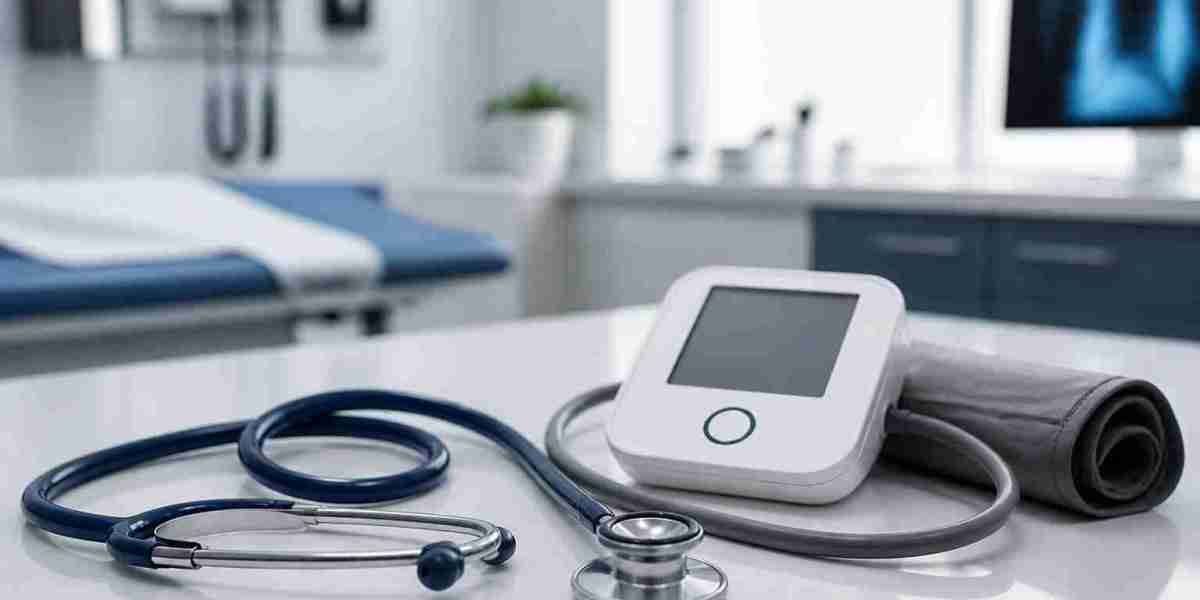
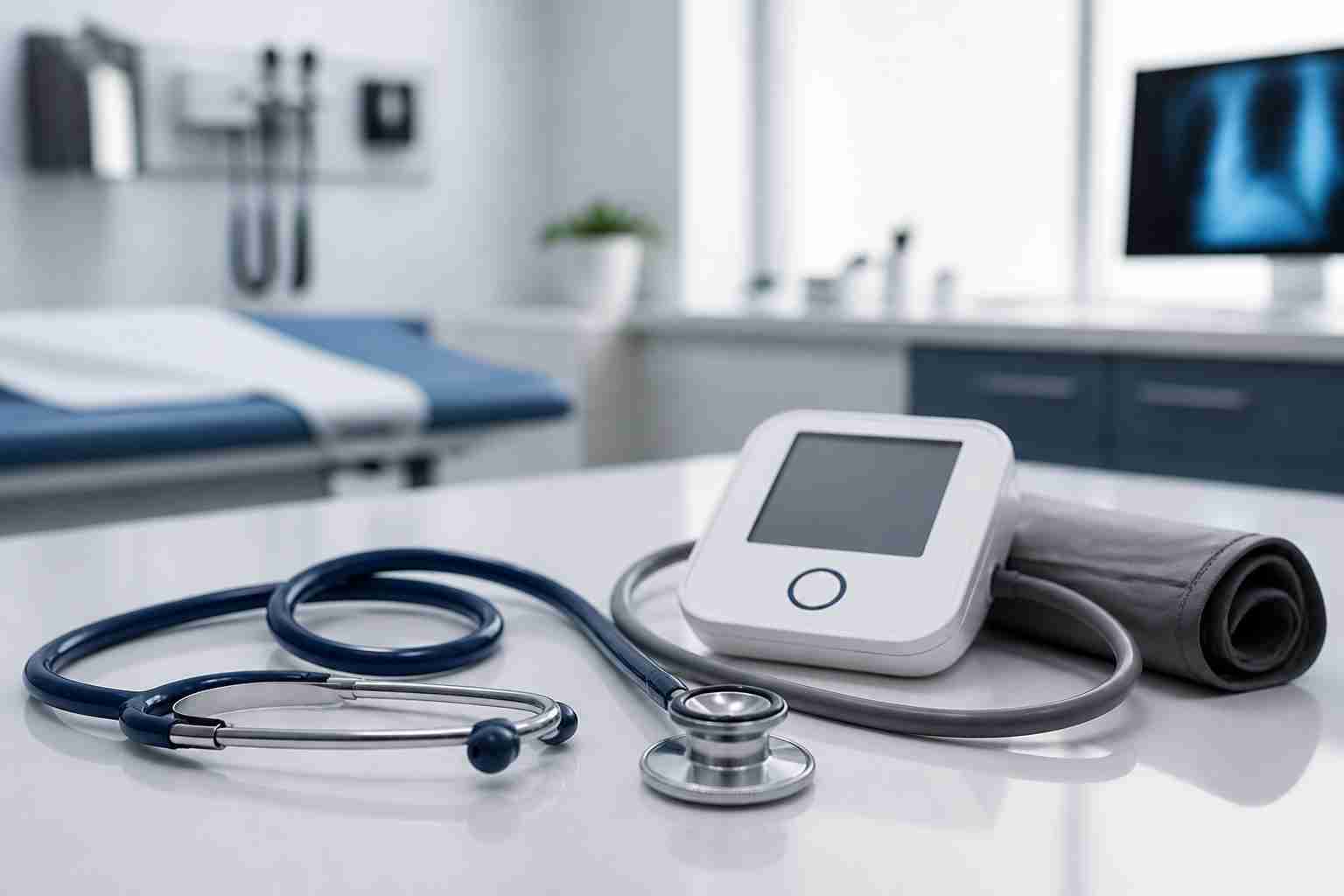
Medical equipment once lived almost exclusively in clinics, but home monitoring and therapy tools now support chronic disease management, post-surgical recovery, and aging in place. Used wisely, devices extend professional care into daily life; used blindly, they create false reassurance or missed emergencies. Understanding indications, limitations, and maintenance keeps home medical equipment a partner—not a substitute—for qualified health providers.
Always start with a prescription or explicit recommendation when devices measure vital signs or deliver therapy. Blood pressure monitors, glucose meters, nebulizers, CPAP machines, and compression pumps require proper sizing, settings, and cleaning protocols. Training from nurses or respiratory therapists prevents common errors like wrong cuff sizes or incomplete mask seals that skew readings and reduce treatment effectiveness.
Regulatory clearance matters. Look for markings from recognized bodies indicating the device met safety and performance standards for its class. Avoid uncertified gadgets marketed with vague wellness language when clinical decisions depend on accuracy. Reputable sellers publish model numbers, calibration guidance, and support contacts.
Blood pressure monitoring benefits from consistent technique: same time of day, rested seating, feet flat, arm supported at heart level. Take two readings minutes apart and average them. Log results for physicians rather than reacting to single spikes caused by caffeine or stress. Replace cuffs when Velcro wears out to maintain snug, repeatable fit.
Glucose management for diabetes pairs meters with quality strips stored in closed containers away from humidity. Control solution checks verify meter accuracy periodically. Lancets are single-use to reduce infection risk. Understand hypoglycemia protocols and keep fast-acting glucose accessible. Continuous glucose monitors add trend data but still need backup finger sticks when symptoms disagree with readings.
Respiratory equipment—nebulizers, peak flow meters, pulse oximeters—supports asthma and COPD plans. Clean chambers and masks per instructions to prevent bacterial buildup. Replace tubing on schedules recommended by manufacturers. Peak flow personal best values guide action plans written with pulmonologists.
Mobility aids including walkers, canes, and wheelchairs must match user height and weight limits. Rubber tips and brakes require inspection monthly. Home modifications—ramps, grab bars—complement devices to reduce falls. Physical therapists adjust gait devices to prevent shoulder or wrist strain from improper fit.
Home care after surgery may involve suction devices, infusion pumps, or wound vacuums under supervision. Never alter settings without clinical direction. Keep emergency numbers visible. Caregivers need rest too; rotate responsibilities and use respite services when available.
Sleep apnea therapy via CPAP or BiPAP improves cardiovascular and cognitive outcomes when adherence is high. Mask fit clinics solve leak issues that cause dry eyes or poor sleep. Distilled water in humidifiers reduces mineral deposits. Travel units and battery backups help frequent flyers maintain therapy.
Pain management tools like TENS units or hot/cold therapy wraps offer adjunct relief when approved. Follow pad placement diagrams and session length limits. Do not use over broken skin or unknowingly over implanted devices without medical clearance.
Pediatric equipment demands child-specific sizes and playful compliance strategies. Growth spurts require frequent re-measurement of masks and cuffs. Store devices out of play areas but explain their purpose age-appropriately to reduce fear.
Maintenance calendars extend device life. Filters, batteries, and disposable components have replace-by dates independent of whether the machine still powers on. Keep serial numbers and purchase dates for warranty claims. Service centers authorized by manufacturers protect investments better than generic repair shops.
Data privacy applies to connected devices syncing to apps. Use strong passwords, understand who accesses cloud logs, and share only with care teams you trust. Export summaries before switching platforms.
Insurance and tax benefits may offset prescribed equipment costs; retain documentation and letters of medical necessity. Rental versus purchase decisions hinge on expected duration of need and service inclusion.
When comparing options, review structured medical equipment listings that detail specifications, compatible accessories, and warranty length. Side-by-side tables clarify which models include carrying cases, extra cuffs, or smartphone integration.
Training resources—video tutorials, multilingual manuals, helplines—reduce abandonment of helpful devices. Ask suppliers about onboarding support before buying complex systems.
Travel and power compatibility matter globally. Voltage adapters and battery types should match destinations. Carry physician letters for airport security screening of liquids or sharp lancets when regulations require.
Emergency preparedness links devices to action plans. Know when readings mandate calling emergency services versus messaging your doctor the next morning. Teach household members device operation before crises.
For home health technology sourced with clear product information and category organization, visit Konicamart alongside professional guidance. Reliable equipment, correct technique, and timely clinical follow-up together make home monitoring a strength rather than a gamble.
Telehealth visits go smoother when devices sit on a dedicated tray with charged batteries and short instruction cards for family helpers. Practice cuff placement with adults before seniors need solo readings during flu season.
Calibration logs taped inside cupboard doors remind users when to check glucometer control solution or replace oximeter batteries after low readings repeat. Note environmental factors like cold fingers that skew results temporarily.
Loaner programs through clinics sometimes offer hospital-grade equipment for post-op weeks; compare rental fees with purchase if future surgeries are likely. Sanitize shared loaners meticulously and report malfunctions immediately.
Compare medical equipment listings for pediatric versus adult cuff sizes before gifting monitors to aging parents. Include illustrated guides large enough for low vision. Pair devices with simple trending charts printed in bold ink.
Backup power plans matter where outages are common. Rechargeable battery packs rated for medical devices prevent gaps in CPAP or nebulizer therapy during storms. Test failover setups quarterly, not during emergencies.
Document training dates when home health nurses demonstrate infusion or wound care techniques. Caregivers rotate to avoid burnout; secondary helpers should practice while supervisors watch. Keep manufacturer helpline numbers saved in phones for middle-of-night alarm codes that manuals explain better than memory under stress.
Before upgrading to connected Medical Equipment with Bluetooth apps, confirm smartphones in the household support current software requirements. Plan data backup if cloud accounts tie to single email addresses elderly users might forget during stressful hospital discharges.
Wheelchair ramps and doorway widths deserve measurement before ordering chairs online. Return shipping on heavy items is costly. Local dealers sometimes offer fitting sessions that prevent pressure sores from seats that are too wide or armrests set at incorrect heights for daily self-propulsion.