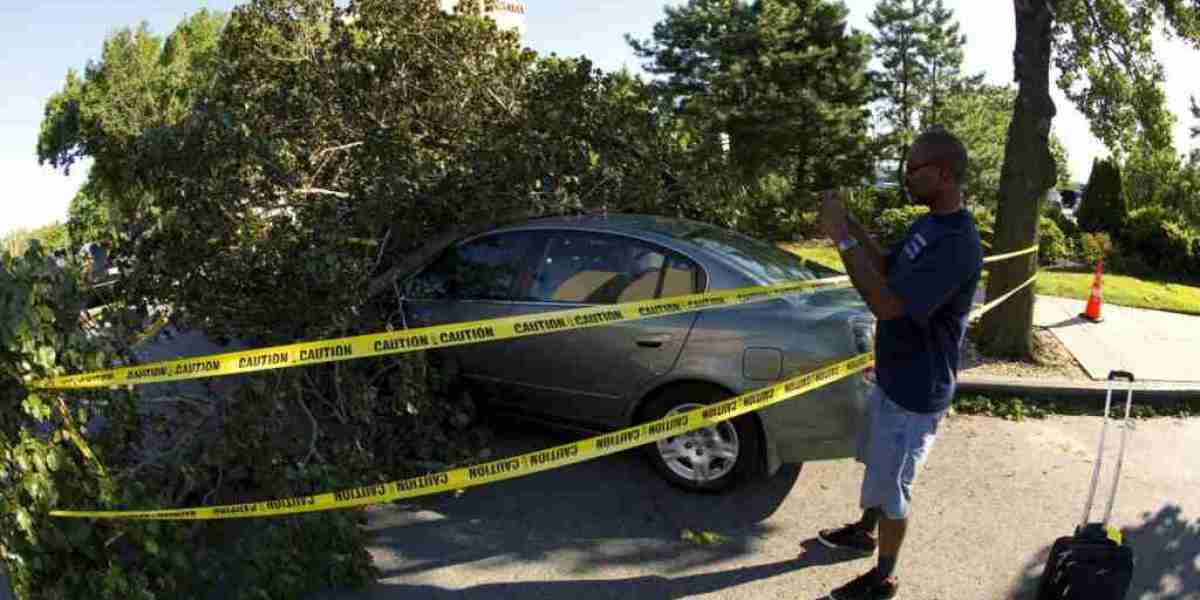
Trees change throughout the year. New growth, changing weather conditions, strong winds, rainfall, and seasonal stress can all affect the condition of trees around homes and commercial properties.
While many trees can grow naturally without constant intervention, regular maintenance can help identify potential problems and keep surrounding areas safer. Professional tree care services can assist property owners with pruning, assessments, storm-damage management, removal, and other forms of tree maintenance.
Why Seasonal Tree Care Matters
Trees respond to changes in weather and their surrounding environment. Branches can grow rapidly during favourable conditions, while storms can cause unexpected damage.
Seasonal inspections give property owners an opportunity to identify issues before they become major concerns. A tree that looked healthy several months earlier may develop dead branches, excessive growth, or structural problems over time.
Regular monitoring is particularly useful for mature trees located close to buildings, roads, driveways, and pedestrian areas.
Checking Trees for Damaged Branches
One of the simplest aspects of tree maintenance is checking for broken or dead branches.
Branches can become damaged due to strong winds, heavy rain, natural ageing, or physical impact. Large damaged branches may become unstable and could fall unexpectedly.
Property owners should pay attention to branches hanging unusually low, partially detached limbs, or sections of the canopy that appear significantly different from the rest of the tree.
Large or difficult-to-reach branches should be assessed by a professional rather than handled without suitable equipment.
Pruning for Controlled Growth
Trees can grow significantly over a single season. Branches may extend toward roofs, windows, fences, driveways, or other structures.
Pruning can help manage this growth while maintaining the natural structure of the tree.
Professional pruning may involve removing deadwood, reducing problematic growth, improving clearance, or managing branches that have developed poor structural attachments.
The aim should be selective maintenance rather than excessive cutting.
Preparing Trees for Severe Weather
Strong winds can place considerable stress on trees. Weak or damaged branches may be more likely to break during severe weather.
Property owners can reduce some potential risks by identifying problematic branches before storms occur.
Trees should also be checked after periods of strong wind. Broken branches, cracks, unusual leaning, or changes in the tree's structure may indicate that professional assessment is required.
Signs of Tree Health Problems
Trees can show different signs when they are under stress or experiencing health problems.
Property owners may notice:
- Unusual leaf loss
- Dead sections
- Broken branches
- Cracked bark
- Visible cavities
- Fungal growth
- Sudden changes in tree shape
- Damaged roots
- Unusual leaning
These signs do not necessarily mean that a tree must be removed. A professional assessment can help determine what is happening and whether maintenance could resolve the problem.
Maintaining Clearance Around Buildings
Trees growing near homes and commercial buildings require particular attention. Branches can gradually extend over roofs, gutters, windows, and outdoor structures.
Maintaining appropriate clearance can reduce potential contact with buildings and make routine property maintenance easier.
However, cutting large branches close to a structure can be hazardous. Professional tree workers can plan the work and use appropriate equipment when necessary.
Looking After Trees Near Driveways and Paths
Trees located beside driveways, paths, and entrances can improve the appearance of a property but may also create access issues when they become overgrown.
Low branches can obstruct pedestrians or vehicles, while dead limbs may become potential hazards.
Routine pruning can help keep access routes clear while maintaining suitable trees as part of the landscape.
When Tree Removal Is Necessary
Although regular maintenance can address many tree problems, some trees eventually need to be removed.
Removal may be considered when a tree is dead, severely damaged, structurally unstable, or creating a significant safety concern.
The removal of a large tree should be carefully planned. The location of nearby buildings, vehicles, fences, gardens, roads, and utility infrastructure can all affect how the work needs to be carried out.
Dealing With Tree Stumps
Tree removal does not always mean the entire tree disappears immediately. A stump can remain in the ground and become an obstacle for future landscaping.
Stump grinding can reduce the remaining stump and make the area easier to maintain.
For property owners planning new planting, paving, or other outdoor improvements, dealing with the stump can be an important part of the project.
Professional Tree Assessments
A professional assessment can be useful when a property owner is uncertain about a tree's condition.
An arborist can evaluate the tree's structure, branches, root area, surrounding environment, and potential hazards.
This can help determine whether pruning, monitoring, maintenance, or removal is appropriate.
Professional assessment can also prevent unnecessary tree removal when a suitable maintenance solution is available.
Creating a Seasonal Tree Care Checklist
Property owners can use a simple checklist to keep track of tree conditions throughout the year:
Inspect: Look for dead, damaged, or unusual growth.
Prune: Address branches that require professional attention.
Monitor: Keep an eye on trees that have previously shown structural concerns.
Check after storms: Look for broken limbs and changes in stability.
Maintain clearance: Ensure branches are not interfering with buildings or access areas.
Arrange professional assessment: Seek expert advice when a problem is difficult to evaluate.
Why Professional Help Is Worth Considering
Tree work can involve heights, heavy branches, specialised equipment, and unpredictable movement. Larger jobs may therefore present significant risks to inexperienced property owners.
Professional tree-care providers have the knowledge and equipment required to manage more complicated work.
Using professional services can also help ensure that pruning is carried out correctly and that tree removal is planned according to the surrounding environment.
Conclusion
Seasonal tree maintenance can help property owners identify potential problems before they become serious. Regular inspections, appropriate pruning, storm-damage checks, and professional assessments all contribute to responsible tree management.
When more extensive work is required, professional tree care services can provide practical solutions for pruning, removal, stump grinding, and other tree-related needs.
By taking a proactive approach throughout the year, property owners can maintain healthier trees, improve outdoor spaces, and reduce potential risks around their homes and businesses.