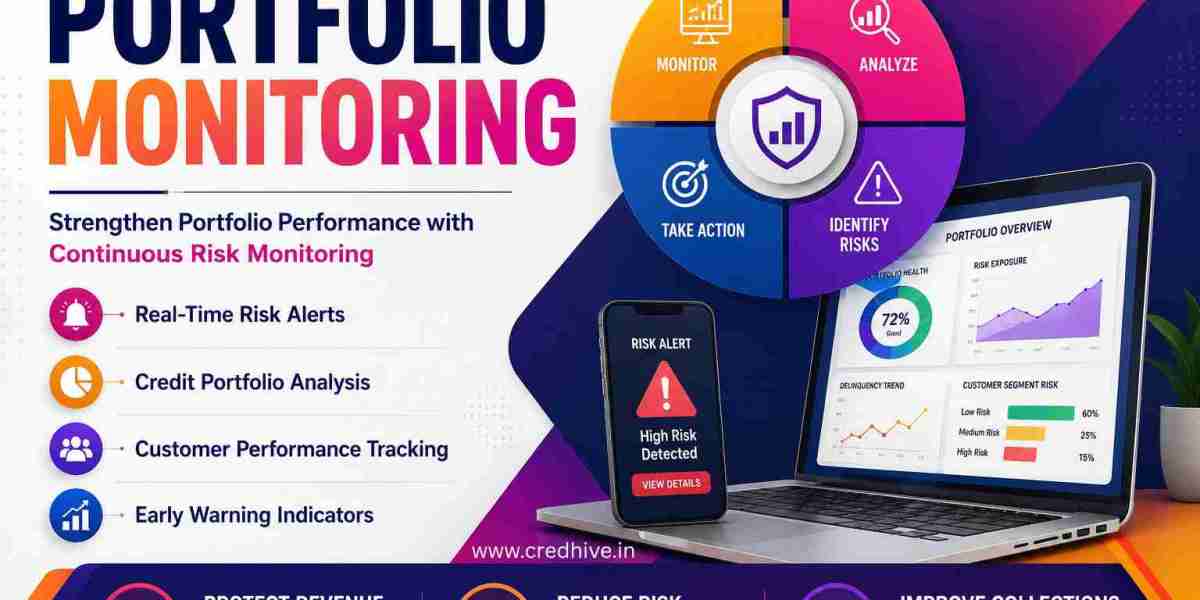
Managing a portfolio does not end when a loan is approved, an investment is made, or a business relationship begins. Financial conditions, customer behavior, compliance status, and market conditions can change over time. Without regular oversight, organizations may miss early signs of financial stress or operational problems.
Portfolio Monitoring is the process of continuously tracking the financial health, risk profile, performance, and significant changes associated with customers, borrowers, investments, suppliers, or other business relationships.
For banks, NBFCs, fintech companies, lenders, insurers, and enterprises, effective Portfolio Monitoring provides ongoing visibility beyond the initial assessment. It helps organizations identify emerging risks, prioritize reviews, strengthen decision-making, and take corrective action before a developing issue becomes a major loss.
Table of Contents
- What Is Portfolio Monitoring?
- Why Is Portfolio Monitoring Important?
- Key Areas Covered by Portfolio Monitoring
- How Portfolio Monitoring Works
- Role of Technology and AI
- Benefits of Portfolio Monitoring
- Best Practices
- FAQs
- Conclusion
What Is Portfolio Monitoring?
Portfolio Monitoring is the continuous evaluation of businesses, customers, borrowers, investments, or counterparties within a portfolio.
While initial underwriting or due diligence provides a snapshot of risk at a particular point in time, Portfolio Monitoring tracks changes after onboarding or approval.
Depending on the organization and portfolio type, monitoring may include:
- Financial performance
- Credit exposure
- Repayment behavior
- Compliance status
- Litigation and legal events
- Ownership changes
- Director changes
- Business activity
- Industry developments
- Early warning signals
For example, a lender may approve a business loan after reviewing financial statements. Six months later, the borrower's financial performance may deteriorate or significant litigation may emerge. A robust Portfolio Monitoring system can help identify these developments and trigger a review.
Why Is Portfolio Monitoring Important?
Identifies Emerging Risks
Risk profiles are not static. A financially stable business today may experience declining revenue, increased debt, compliance issues, or management changes later.
Continuous monitoring helps organizations detect these changes earlier.
Supports Better Financial Decisions
Portfolio Monitoring provides updated information that can support decisions about credit limits, renewals, risk classifications, pricing, collections, or relationship management.
Improves Operational Efficiency
Manual portfolio reviews can require teams to collect information from multiple sources. Automated monitoring consolidates relevant signals and reduces repetitive research.
Strengthens Compliance
Organizations can monitor regulatory and compliance-related developments across their portfolios and investigate significant changes when necessary.
Protects Portfolio Quality
Early identification of deteriorating accounts allows risk teams to take preventive action and potentially reduce losses.
Key Areas Covered by Portfolio Monitoring
Financial Performance
Monitoring revenue, profitability, cash flow, debt, liquidity, and other financial indicators can reveal changes in business stability.
Credit and Repayment Behavior
Lenders can monitor payment patterns, outstanding exposure, credit utilization, and other indicators relevant to borrower risk.
Legal and Litigation Events
New litigation, regulatory actions, insolvency proceedings, or other legal developments may affect a company's ability to meet obligations.
Compliance Changes
Changes in tax, corporate, licensing, or regulatory compliance can create additional risk for financial institutions and enterprises.
Director and Ownership Changes
Changes in directors, promoters, shareholders, or ownership structures may indicate significant developments that require further review.
Early Warning Signals
A combination of financial, legal, compliance, and business changes can act as an early warning signal. Monitoring these indicators helps risk teams prioritize accounts that need attention.
How Does Portfolio Monitoring Work?
An effective Portfolio Monitoring process generally follows several stages.
1. Portfolio Segmentation
Organizations categorize accounts based on factors such as exposure, industry, customer type, geography, or risk level.
2. Data Collection
Relevant financial, business, legal, credit, and compliance information is collected from internal and external sources.
3. Risk Analysis
The information is analyzed against defined thresholds, risk policies, and monitoring criteria.
4. Alert Generation
Significant changes can trigger alerts for events such as financial deterioration, litigation, compliance issues, or ownership changes.
5. Risk Review
Risk teams investigate alerts and determine whether additional action is required.
6. Ongoing Monitoring
The portfolio continues to be monitored so that new developments can be identified over time.
Role of Technology and AI
Technology has made Portfolio Monitoring more scalable and responsive.
Artificial Intelligence
AI can analyze large volumes of business information and identify patterns or combinations of risk indicators.
Automation
Automated workflows can collect data, refresh company profiles, generate alerts, and support periodic reviews.
Predictive Analytics
Predictive models can help identify accounts that may require closer attention based on historical patterns and current risk indicators.
Centralized Dashboards
Risk teams can use dashboards to view portfolio-level trends, individual company profiles, alerts, and risk categories in one place.
Technology should complement professional judgment. Clear risk policies, data governance, model validation, and appropriate human review remain important for responsible portfolio management.
Benefits of Portfolio Monitoring
Effective Portfolio Monitoring can help organizations achieve:
- Earlier risk detection
- Better portfolio visibility
- Faster risk reviews
- Reduced manual research
- Improved compliance oversight
- More informed credit decisions
- Better resource allocation
- Stronger portfolio quality
- Improved customer and counterparty management
For example, an NBFC monitoring thousands of business borrowers can use automated alerts to identify a smaller group showing signs of financial stress. Instead of manually reviewing every account with the same frequency, the risk team can prioritize accounts that require immediate attention.
Best Practices for Portfolio Monitoring
Define Clear Monitoring Parameters
Establish which financial, legal, compliance, and operational indicators should trigger investigation.
Use Risk-Based Monitoring
Higher-risk relationships may require more frequent or detailed reviews than lower-risk accounts.
Combine Multiple Signals
Avoid relying on one metric. A broader combination of financial, legal, compliance, and business indicators can provide stronger context.
Keep Information Updated
Outdated information can weaken risk decisions. Regular data refreshes are essential.
Create Actionable Alerts
Alerts should help teams understand what changed and why it may matter rather than generating unnecessary notifications.
Frequently Asked Questions
What is Portfolio Monitoring in lending?
Portfolio Monitoring in lending involves continuously tracking borrowers after credit is approved. It can include financial performance, repayment behavior, credit exposure, compliance developments, litigation, and other indicators that may affect borrower risk.
Why is Portfolio Monitoring important for NBFCs?
It helps NBFCs monitor large borrower portfolios, identify early warning signals, prioritize high-risk accounts, and make timely decisions about credit exposure, collections, renewals, and risk management.
What should be monitored in a business portfolio?
Organizations may monitor financial performance, credit behavior, compliance, litigation, ownership changes, director changes, business activity, and other indicators relevant to their risk policies and portfolio objectives.
How does AI improve Portfolio Monitoring?
AI can analyze large volumes of information, identify patterns across multiple risk indicators, automate repetitive monitoring activities, and help prioritize accounts that may require further investigation.
What are early warning signals in Portfolio Monitoring?
Early warning signals are changes that may indicate increasing risk. Examples include financial deterioration, payment stress, new litigation, regulatory issues, ownership changes, or significant changes in business activity.
Conclusion
Portfolio Monitoring is an essential component of modern risk management because the risk associated with a customer, borrower, investment, or business partner can change after the initial decision.
By continuously tracking financial performance, credit behavior, compliance, legal events, ownership changes, and other relevant indicators, organizations can identify emerging risks earlier and respond more effectively.
For banks, NBFCs, fintech companies, lenders, insurers, and enterprises, combining reliable data with automation, AI-powered analytics, and risk-based monitoring can improve operational efficiency and provide a clearer view of portfolio health. Ultimately, effective Portfolio Monitoring helps organizations move from reactive risk management toward a more proactive and informed approach.