Pregnancy after weight loss surgery can be a healthy and successful experience when it is carefully planned and monitored. Gastric bypass surgery can lead to significant weight loss and improvements in obesity related health conditions, but it also changes the way the body absorbs nutrients. Women who become pregnant after the procedure therefore need appropriate nutritional support and regular medical follow up.
Gastric Bypass Surgery in Islamabad is increasingly considered by women who have struggled with severe obesity and related health concerns. While gastric bypass can improve overall health and fertility in many women, pregnancy after the procedure requires special attention to nutrition, vitamin levels, weight changes, and the health of both mother and baby.
Understanding Pregnancy After Gastric Bypass Surgery
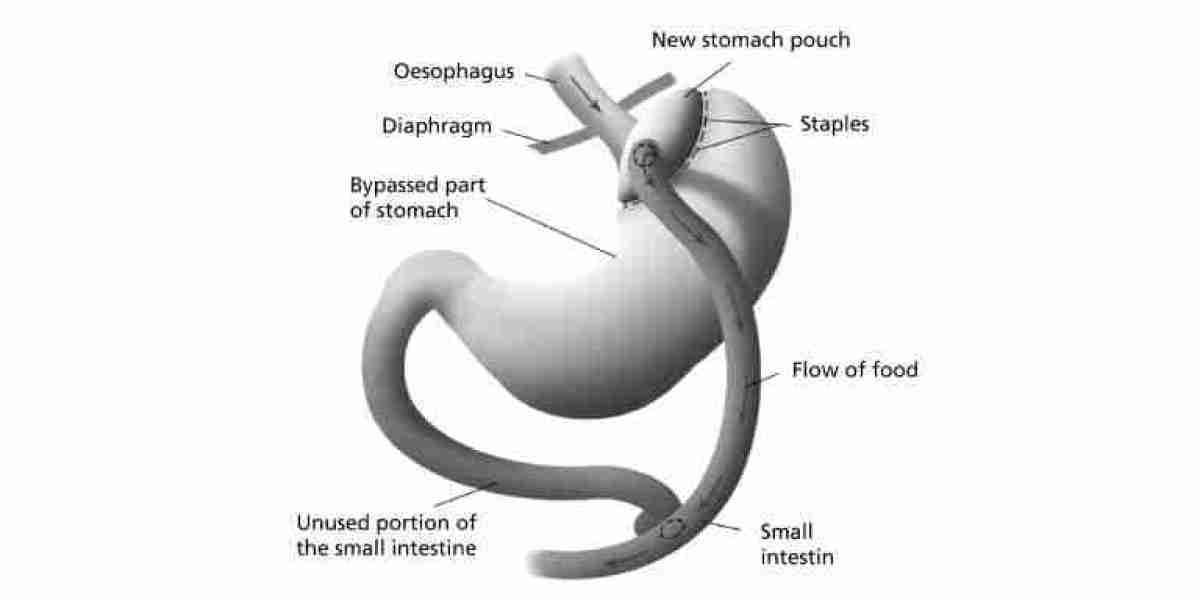
Gastric bypass is a type of bariatric surgery that reduces stomach capacity and changes part of the digestive process. The procedure can support substantial and sustained weight loss while also improving several obesity related conditions.
For women who are planning pregnancy, these changes can have important implications. Weight loss may improve fertility and reduce certain pregnancy risks associated with obesity, but reduced nutrient absorption means that nutritional monitoring becomes especially important.
Why Pregnancy Planning Matters
Most bariatric specialists recommend allowing the body time to stabilize after surgery before attempting pregnancy. The rapid weight loss phase immediately following gastric bypass can increase nutritional demands and may not provide the ideal environment for pregnancy.
Women should discuss pregnancy plans with their bariatric surgeon, gynecologist, and dietitian before trying to conceive.
Important considerations include:
Allowing weight to stabilize after surgery
Checking vitamin and mineral levels
Reviewing current medications and supplements
Establishing a balanced pregnancy nutrition plan
Monitoring overall health before conception
Can You Get Pregnant After Gastric Bypass Surgery
Yes, many women can become pregnant after gastric bypass surgery. In fact, weight loss following bariatric surgery may improve fertility in women whose obesity or conditions such as polycystic ovary syndrome have affected reproductive health.
However, improved fertility can sometimes occur sooner than expected after significant weight loss. Women who do not want to become pregnant immediately should discuss reliable contraception with their healthcare provider.
Why Fertility May Improve
Weight loss can influence hormones, menstrual cycles, insulin sensitivity, and reproductive function. As metabolic health improves, some women may experience more regular periods and increased fertility.
Potential improvements may include:
More regular menstrual cycles
Improved insulin sensitivity
Better hormonal balance
Improved symptoms associated with obesity
Increased chances of natural conception
How Long Should You Wait Before Pregnancy
The ideal timing of pregnancy after gastric bypass should be individualized. Many bariatric professionals recommend postponing pregnancy until the period of rapid weight loss has passed and body weight has become relatively stable.
This often means waiting around 12 to 18 months after surgery, although the appropriate timeframe can differ between patients.
Why Waiting Can Be Beneficial
The early postoperative period is characterized by rapid weight loss and changing nutritional requirements. Pregnancy during this stage may make it more difficult to maintain adequate nutrition.
Waiting until weight stabilizes can help:
Reduce nutritional concerns
Allow recovery from surgery
Establish healthy eating habits
Correct vitamin or mineral deficiencies
Improve readiness for pregnancy
Women who become pregnant earlier than planned should not panic. They should contact their healthcare providers promptly for individualized monitoring and nutritional support.
Nutritional Needs During Pregnancy After Gastric Bypass
Nutrition is one of the most important considerations during pregnancy after gastric bypass. Because the surgery can affect nutrient absorption, deficiencies may develop if supplementation and monitoring are inadequate.
Pregnancy itself increases nutritional requirements, making regular blood testing particularly important.
Important Nutrients to Monitor
Healthcare providers may monitor several nutrients throughout pregnancy, including:
Iron
Vitamin B12
Folate
Vitamin D
Calcium
Protein
Vitamin A
Thiamine
Other essential vitamins and minerals
The exact supplementation plan should be determined by a qualified healthcare professional based on individual laboratory results and pregnancy requirements.
Eating During Pregnancy After Gastric Bypass
Women who have undergone gastric bypass may not be able to consume large meals because of their smaller stomach capacity. During pregnancy, this can make meal planning particularly important.
Rather than focusing on large meals, patients may benefit from smaller nutrient dense meals and snacks throughout the day.
Healthy Eating Principles
A pregnancy diet after gastric bypass should prioritize nutritional quality rather than simply increasing food quantity.
General principles may include:
Prioritizing protein rich foods
Eating small meals throughout the day
Choosing nutrient dense foods
Drinking adequate fluids between meals
Taking prescribed supplements consistently
Limiting highly processed and sugary foods
Following the dietitian's pregnancy specific recommendations
A bariatric dietitian can create an individualized meal plan that considers both pregnancy nutrition and the patient's altered digestive system.
Weight Gain During Pregnancy After Gastric Bypass
Pregnancy naturally involves weight gain, but the recommended amount varies according to pre pregnancy body mass index and individual circumstances.
Women who have had gastric bypass should not attempt aggressive weight loss during pregnancy unless specifically directed by their healthcare team.
Why Monitoring Weight Matters
Both inadequate and excessive weight gain can create concerns during pregnancy. Regular monitoring allows healthcare providers to identify nutritional problems and make appropriate dietary adjustments.
Your healthcare team may monitor:
Maternal weight changes
Baby growth
Protein intake
Blood nutrient levels
Blood glucose levels
Overall pregnancy development
The goal is to support healthy fetal development while maintaining appropriate maternal nutrition.
Potential Pregnancy Risks After Gastric Bypass
Pregnancy after bariatric surgery can be successful, but certain risks require additional attention. The risks can vary depending on the type of surgery, nutritional status, weight, medical history, and pregnancy circumstances.
Potential concerns may include nutritional deficiencies, anemia, and inadequate fetal growth.
Internal Hernia and Abdominal Symptoms
Gastric bypass can change the anatomy inside the abdomen. During pregnancy, abdominal pain should therefore be taken seriously.
Severe, persistent, or unusual abdominal pain requires prompt medical assessment because certain postoperative complications can occasionally occur even years after surgery.
Pregnant women should always inform healthcare professionals about their history of gastric bypass when seeking medical care.
Managing Vitamins and Supplements
Vitamin supplementation is an important part of long term care following gastric bypass and becomes even more important during pregnancy.
However, pregnancy supplements should not simply be selected without professional guidance. Some nutrients can be harmful in excessive amounts, while others may require higher doses because of reduced absorption.
Regular Blood Tests
Healthcare providers may recommend periodic laboratory testing to identify deficiencies before they become serious.
Monitoring may include:
Complete blood count
Iron and ferritin levels
Vitamin B12
Folate
Vitamin D
Calcium related markers
Other nutrients based on individual needs
Supplementation should be adjusted according to medical advice and laboratory findings.
Gastric Bypass and Baby Growth
One concern after bariatric surgery is whether the baby will receive adequate nutrition. With appropriate prenatal care and nutritional monitoring, many women go on to have healthy pregnancies.
Healthcare professionals may monitor fetal growth more closely when clinically appropriate.
Why Prenatal Monitoring Matters
Regular prenatal appointments help identify potential concerns early.
Monitoring can help assess:
Fetal growth
Maternal nutrition
Maternal weight gain
Blood pressure
Blood glucose
Vitamin and mineral status
Overall pregnancy development
Women should follow the recommended prenatal schedule and communicate any concerning symptoms to their healthcare providers.
Can Gastric Bypass Affect Breastfeeding
Many women who have undergone gastric bypass are able to breastfeed. However, adequate maternal nutrition remains important because breastfeeding increases nutritional demands.
A healthcare provider or dietitian can help ensure that the mother receives adequate calories, protein, vitamins, minerals, and fluids.
Breastfeeding Nutrition
After delivery, women should continue following their bariatric supplementation plan unless their healthcare provider recommends changes.
Important priorities may include:
Adequate hydration
Sufficient protein
Appropriate vitamin supplementation
Balanced meals
Regular nutritional monitoring
Preparing for Pregnancy After Gastric Bypass
Preparation can make pregnancy safer and more manageable. Ideally, women should begin planning before conception rather than waiting until pregnancy occurs.
Recommended Preparation Steps
Before attempting pregnancy, consider discussing the following with your healthcare team:
Current body weight and weight stability
Nutritional status
Vitamin and mineral levels
Current medications
Contraception and timing
Pregnancy specific supplements
Existing medical conditions
Diet and lifestyle habits
This preparation provides an opportunity to correct deficiencies and address health concerns before conception.
When Should You Contact Your Doctor
Women who have undergone gastric bypass should seek medical advice if they experience unusual symptoms during pregnancy.
Prompt assessment may be appropriate for:
Severe or persistent abdominal pain
Repeated vomiting
Difficulty eating or drinking
Significant weakness
Dizziness or fainting
Signs of dehydration
Unusual bleeding
Other concerning pregnancy symptoms
Repeated vomiting deserves particular attention because it can contribute to dehydration and nutrient deficiencies.
Choosing the Right Medical Team
Pregnancy after gastric bypass is best managed through coordinated care. Depending on individual circumstances, this may involve a bariatric surgeon, obstetrician, dietitian, and other healthcare professionals.
A team familiar with both pregnancy and bariatric surgery can help create a personalized plan for nutritional monitoring, supplementation, weight management, and prenatal care.
What to Look For in Bariatric Care
When selecting a bariatric center, consider:
Experience with gastric bypass surgery
Qualified bariatric surgeons
Postoperative follow up
Access to nutritional counseling
Coordination with other medical specialists
Patient education
Long term weight management support
Final Thoughts on Pregnancy After Gastric Bypass
Pregnancy after gastric bypass surgery can be a positive and healthy journey when it is carefully planned and medically monitored. The procedure may improve fertility and reduce some obesity related health concerns, but altered digestion and nutrient absorption require special attention.
The most important steps are to allow adequate time for recovery and weight stabilization, maintain appropriate nutritional supplementation, attend regular prenatal appointments, and communicate openly with your healthcare team.
For women considering Gastric Bypass Surgery in Islamabad, choosing an experienced bariatric team can make an important difference in long term care. At Slimthetics Clinic, patients can receive structured guidance throughout their weight loss journey, from pre surgery assessment and bariatric treatment to postoperative nutritional support and long term health planning. If you are considering gastric bypass and want to understand how it may affect future pregnancy, a professional consultation can help you make an informed decision based on your individual health and reproductive goals.