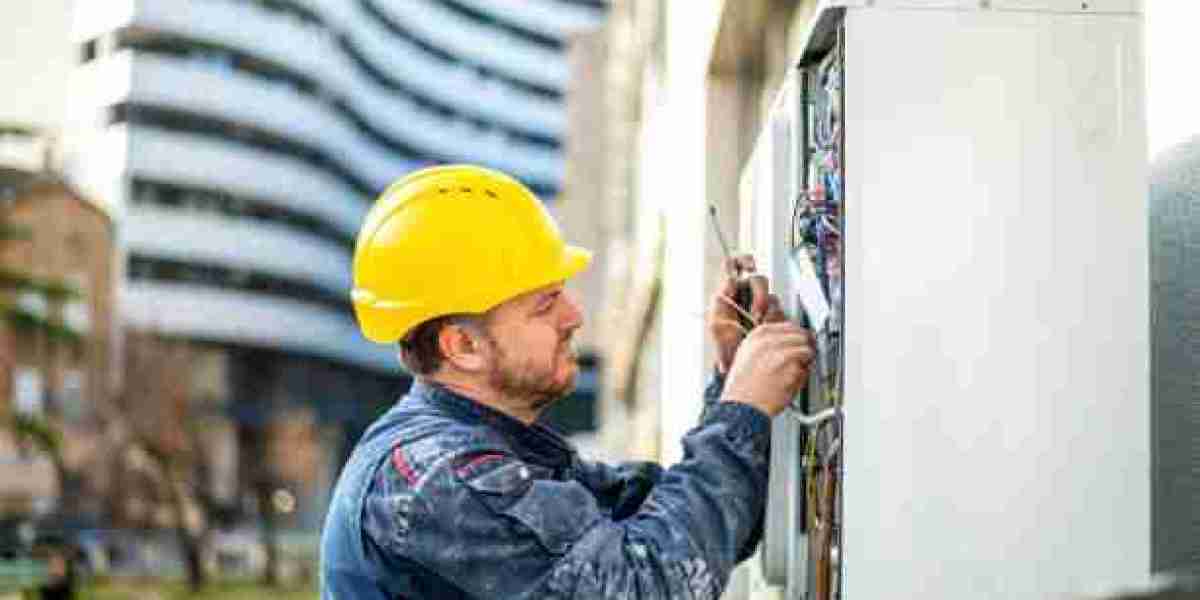
Most homeowners don't think about their electrical panel until something goes wrong. And by the time something goes wrong, the problem is usually a lot bigger than a tripped breaker. The panel is the heart of your home's electrical system, and when it starts failing, the warning signs can be easy to miss or easy to dismiss. If you're noticing flickering lights, breakers that won't stay reset, or a faint burning smell near your utility area, don't wait. Getting Electrician in Lancaster CA from a licensed professional sooner rather than later could genuinely prevent a house fire. This article breaks down what to watch for, what it actually means, and when you need to stop guessing and call someone.
What Your Electrical Panel Actually Does
Your panel, sometimes called the breaker box or load center, takes the power coming in from the utility line and splits it up across all the circuits in your home. Each breaker protects one circuit. When a circuit gets overloaded, the breaker trips and cuts the power before wires overheat. Simple concept. But when the panel itself is old, undersized, or damaged, that protection stops working the way it should.
Older homes especially run into this problem. A panel installed in the 1970s or 1980s was designed for a house with a few appliances and basic lighting. It wasn't built for a 4K TV, a chest freezer, a heat pump, an EV charger, and a ring of smart home devices all running at once. The math just doesn't work anymore. And a panel that's constantly pushed past its limits is a panel that's going to fail.
According to the U.S. Consumer Product Safety Commission's electrical safety resources, electrical fires cause thousands of home fires each year, and many of them trace back to outdated or overloaded wiring and panels. That's not a scare tactic. It's just what the data shows.
Physical Warning Signs You Shouldn't Ignore
There are a handful of signs that something's off, and most of them show up before anything dramatic happens. Catch them early and you've got options. Miss them and you're dealing with an emergency.
- Breakers that trip constantly. One tripped breaker now and then is normal. If the same breaker trips every week, or if multiple breakers trip at the same time, that's the panel telling you it's overwhelmed.
- Breakers that won't reset or stay reset. If you flip it back and it trips again immediately, there's either a fault on the circuit or the breaker itself is worn out. Either way, don't keep flipping it.
- Burning smell near the panel. This one's serious. A burning or plastic smell coming from the breaker box usually means something is already overheating. Turn off the main breaker and call someone right away.
- Discolored outlets or switch plates. Scorch marks or yellow-brown staining around outlets means arcing has already happened somewhere on that circuit.
- Buzzing or crackling sounds from the box. Breakers should be silent. Any humming, buzzing, or popping is a red flag. Loose connections and failing breakers both make noise.
- Flickering or dimming lights. Especially if it happens when you run the microwave or turn on the dryer. That usually points to circuits that are too loaded or a panel that can't handle the demand spikes.
Don't write these off as quirks of an old house. They're symptoms. Pretty common ones, honestly, but that doesn't make them safe to ignore.
How Modern Electrical Loads Break Old Panels
Here's something a lot of people don't realize. The average home uses significantly more electricity now than it did twenty or thirty years ago. Air fryers, instant pots, home offices with multiple monitors, gaming setups, EV chargers, heat pump water heaters. Each one of these draws real power. And they're all being plugged into homes that were never wired for this kind of load.
A panel rated for 100 amps was fine in 1985. Most electricians today recommend a minimum of 200 amps for a modern home, and 400 amps if you're adding an EV charger or doing a large renovation. If your panel is still running on 60 or 100 amps and you've added appliances over the years, you're basically asking it to do a job it was never designed to do. It'll work, sort of, until it doesn't.
If you're working with Top-Rated Electrical Services in Lancaster CA, a good electrician will do a load calculation before recommending anything. That tells them exactly how much power your home is actually drawing and how much headroom your current panel has. No guessing, just numbers.
Minor Breaker Issue vs. Full Panel Replacement
Not every electrical problem means you need a whole new panel. Sometimes a single breaker goes bad and just needs to be swapped out. That's a quick fix. But there are situations where a replacement is the only real answer.
A licensed electrician will look at the age of the panel, the brand (some older brands like Federal Pacific and Zinsco have well-documented safety problems), the total amperage, the condition of the wiring, and whether there's room to add circuits if needed. If the panel is over 25 years old, running near capacity, or showing physical damage, replacement is almost always the right call. Patching an old panel only buys a little time.
If you're in the area and need a second opinion, Jspark Electric INC is one option people use for this kind of assessment. Having someone actually look at the panel, not just give advice over the phone, makes a real difference in knowing where you stand.
Top-Rated Electrical Services in Lancaster CA will typically include a full inspection of the panel, a review of your home's overall electrical load, and a clear recommendation with pricing before any work starts. That's what you should expect from any reputable contractor.
Why Waiting Makes Things Worse
People put off panel upgrades for a few reasons. Cost is the big one. But delaying the upgrade doesn't make the problem cheaper. It makes it more expensive and more dangerous. An overloaded panel that eventually causes a fire doesn't just cost the price of a new panel. It can cost your home, your belongings, and in the worst cases, lives.
There are also insurance implications. Some homeowners' insurance companies now ask about the age and brand of your electrical panel when you apply or renew. A known-problem panel, or one that's clearly outdated, can result in higher premiums or denied coverage. That's worth knowing before you assume it can wait another year.
As an immediate safety step, if you're smelling burning near the panel or hearing crackling sounds, turn off the main breaker and get out. Don't try to diagnose it yourself. Electrical work is one of those areas where the cost of getting it wrong is just too high. Call for Electrical Services in Lancaster CA and let a licensed pro assess it before you use the power again.
Frequently Asked Questions
How do I know if my electrical panel is too old?
Most panels have a lifespan of around 25 to 40 years, though some brands have had problems much earlier than that. If you don't know when yours was installed, an electrician can usually date it during an inspection. Federal Pacific, Zinsco, and some older Pushmatic panels are known problem brands worth checking for specifically.
Can I just reset a tripped breaker myself?
Yes, for a one-off trip, resetting it yourself is fine. Push it fully to the off position first, then flip it back on. But if it trips again right away, or keeps tripping over the next few days, stop resetting it and call an electrician. Repeated tripping means there's an underlying problem that won't fix itself.
What does a panel upgrade actually cost?
It varies depending on your current setup, the amperage you're upgrading to, and local permit requirements. A standard upgrade from 100 to 200 amps usually runs somewhere between $1,500 and $3,500 in most markets. Get at least two quotes, and make sure both include permits. Any electrician who skips permits is one to avoid.
Is a buzzing electrical panel dangerous?
Yes. A panel should make almost no noise. A light hum from a transformer nearby is sometimes normal, but buzzing, crackling, or popping from the breaker box itself usually means loose connections or a failing breaker. Both are fire risks. Don't ignore it.
Do I need a permit to replace an electrical panel?
In almost every jurisdiction, yes. Panel replacements require a permit and a final inspection by a local electrical inspector. This protects you because the inspector confirms the work was done correctly. If a contractor tells you permits aren't necessary for a panel replacement, that's a serious red flag.