

Unlock the Secrets to Stopping Your Cat's Messy Accidents Today!
For cat owners, few issues are as distressing as discovering that their feline companion has decided to pee outside the litter box. This behavior is surprisingly common and can leave owners feeling frustrated and helpless. Not only does inappropriate urination create a mess, but it can also lead to deeper emotional challenges for both the cat and the owner. Many people are left questioning their pet parenting skills, feeling embarrassed when friends or family visit, and worrying about the potential damage to their home. Addressing this problem promptly is essential—not just for maintaining a clean living space but also for ensuring the well-being of your beloved pet.
Understanding the Causes of Inappropriate Urination
Before you can tackle the issue of your cat peeing outside the litter box, it's vital to understand what might be causing this behavior. There are several common reasons cats might choose to urinate outside their designated area. One of the most significant factors is medical issues, such as urinary tract infections or bladder stones, which can cause discomfort and lead cats to associate the litter box with pain. Stress is another crucial factor; changes in the household, new pets, or even loud noises can make cats feel anxious, prompting them to seek alternative places to relieve themselves. Additionally, some cats exhibit territorial behavior, marking their territory in response to perceived threats. Lastly, litter box aversion can occur when the litter is too dirty, the box is not to the cat's liking, or a multi-cat household has an insufficient number of boxes. Understanding these causes is the first step toward finding a solution.
Assessing Your Cat's Environment
The environment in which your cat lives plays a significant role in their behavior. One crucial aspect to consider is the placement of the litter box. It should be in a quiet, low-traffic area where your cat feels safe and secure. Cleanliness is also vital; a dirty litter box can deter even the most well-trained cat. Aim to scoop the box daily and change the litter regularly to keep it fresh. The number of litter boxes available is another factor, especially in households with multiple cats. The general rule is to have one litter box per cat, plus one extra. This ensures that each cat has access to a clean and private space to do their business. By carefully assessing and adjusting your cat's environment, you can help reduce their need to seek alternative spots for urination.
Products and Services to Help Manage the Issue
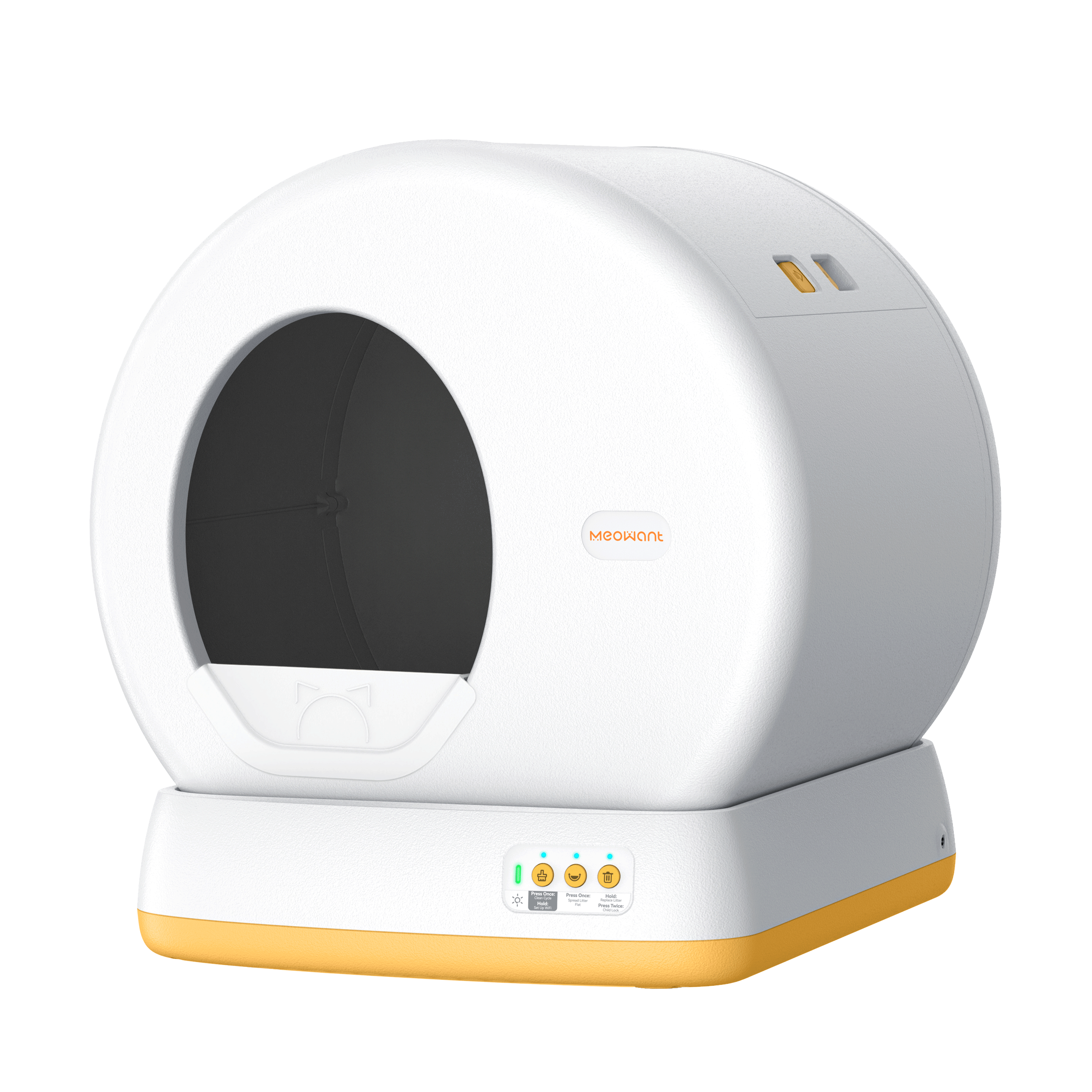
Fortunately, there are various products and services available that can help manage inappropriate urination. Specialized litters designed to be more appealing to cats may encourage them to use the box instead. Some litters have added scents or textures that cats find more enticing. Pheromone diffusers can also help create a calming environment, reducing stress-related urination. Training aids, such as spray deterrents for areas where the cat has previously urinated, can be effective in redirecting their behavior. Additionally, consider investing in a high-quality litter box that has features like covered lids or self-cleaning mechanisms, which can make the litter box experience more enjoyable for your cat. While these products can be helpful, it’s essential to remember that they should complement, not replace, behavioral changes and veterinary advice.
Veterinary Consultation
Before implementing any solutions, it's crucial to consult with a veterinarian. A thorough check-up can help rule out any underlying health issues that may be contributing to your cat's inappropriate urination. Conditions like urinary tract infections or diabetes can manifest as changes in urination habits and should be addressed by a professional. Your vet can offer tailored advice based on your cat's specific situation, ensuring that any products or strategies you choose to implement will be effective.
Steps to Resolve Inappropriate Urination
Inappropriate urination is a common issue faced by cat owners, but it’s not insurmountable. By understanding the underlying causes, assessing your cat's environment, and exploring various products and services, you can take significant steps toward resolving this behavior. Always remember to consult with a veterinarian to rule out health concerns, as this will guide you in the right direction. Taking proactive measures now will not only help maintain a clean home but also ensure your cat remains happy and healthy.