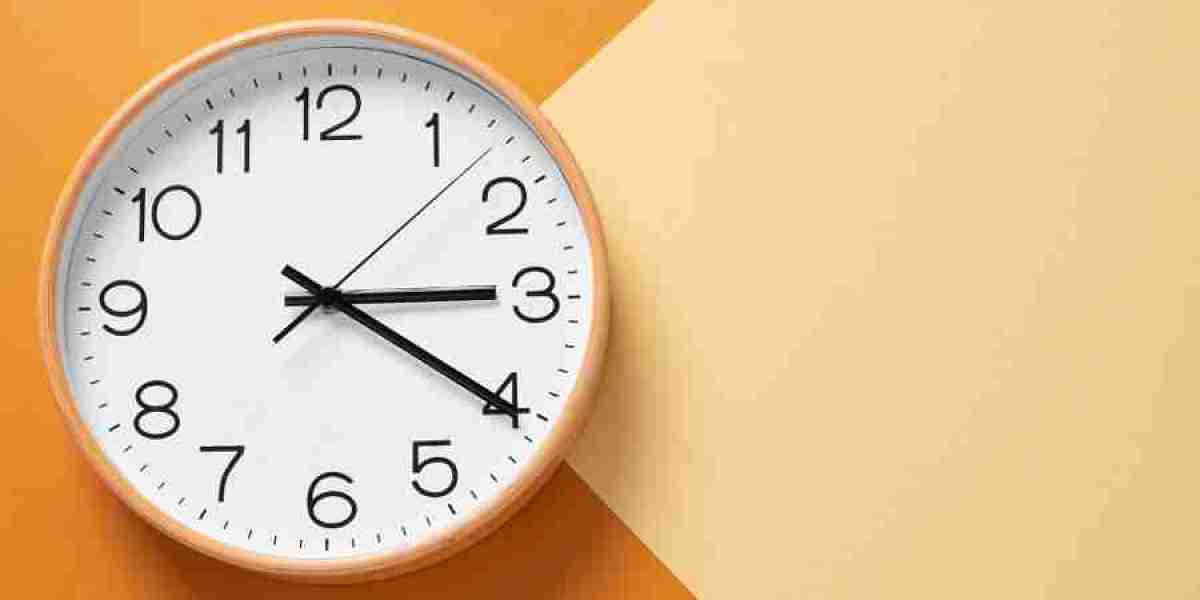
In an increasingly digital world, the analog clock continues to hold a unique place in both practical use and design aesthetics. While digital clocks and smart devices dominate our everyday timekeeping, analog clocks have experienced a resurgence in popularity, blending classic charm with contemporary trends. In 2026, analog clocks are valued not just for telling time, but as expressive pieces of décor, tools for mindfulness, and functional companions in educational and professional spaces.
Aesthetic and Interior Design Statement
One of the strongest reasons people choose analog clocks today is their timeless visual appeal. Interior designers often recommend them as centerpiece accessories for living rooms, kitchens, and offices. Whether featuring minimalist Scandinavian lines, vintage brass finishes, or bold geometric faces, analog clocks add personality to any environment. In 2026, homeowners are increasingly integrating analog clocks into eclectic décor schemes as both functional items and artful accents.
Analog Clocks and Mindful Living
As society becomes more attached to screens and digital notifications, many are turning back to analog clocks to reduce digital clutter. Viewing the passage of time through moving hands rather than flashing numbers encourages a calmer, more present mindset. This subtle psychological difference supports mindfulness and helps people manage time more intentionally — a trend that’s growing stronger in 2026 wellness conversations.
Educational Benefits in Schools
Despite the ubiquity of digital devices, educators still value analog clocks for teaching time-reading skills. Reading an analog face strengthens cognitive abilities such as spatial reasoning and sequencing, which are beneficial in early childhood development. In many classrooms across the globe, analog clocks remain key tools in reinforcing fundamental learning, even as digital alternatives sit nearby.
Workplace Productivity and Focus
In professional settings, analog clocks offer a non-intrusive time reference that doesn’t prompt distractions from incoming alerts or messages, unlike phones and tablets. Many modern offices now incorporate stylish analog clocks in collaborative areas and meeting rooms to subtly keep teams aligned without adding digital interruptions. The presence of analog timepieces in professional environments reflects a broader 2026 trend toward creating focused, mindful workspaces.
A Fusion of Tradition and Technology
Interestingly, the analog clock hasn’t stayed purely traditional. Designers are blending classic clock faces with modern technology — such as silent sweep mechanisms, customizable LED backlights, and Bluetooth connectivity that syncs with time servers for accuracy. These hybrid analog clocks balance nostalgia with smart features, appealing to both traditionalists and tech enthusiasts.
Sustainability and Longevity
Another reason analog clocks remain relevant is their durability. Many mechanical or high-quality quartz analog clocks are built to last for decades with minimal maintenance. In an era where sustainable consumption is increasingly valued, people are moving away from disposable gadgets and choosing heirloom-quality timepieces that reduce waste and outlive trends.
Final Thoughts
While digital timekeeping will always play a major role in modern life, analog clocks continue to thrive through smart design, emotional resonance, and functional versatility. In 2026, they stand as symbols of craftsmanship, mindful living, and aesthetic expression, proving that sometimes the oldest technologies have the most enduring appeal. Whether in homes, schools, or workplaces, the analog clock remains a beloved and relevant piece of everyday life.