The Annapurna Circuit Trek remains one of Nepal’s most iconic trekking routes, attracting adventurers from around the world. In 2025, this 15-day trek promises the same breathtaking landscapes, diverse cultural encounters, and high-altitude challenges that have made it legendary. From lush green valleys and subtropical villages to high passes and remote Mustang valleys, the Annapurna Circuit offers a journey that combines adventure, culture, and natural beauty in one unforgettable experience.
The trek typically begins with a drive from Kathmandu to Besisahar or Bhulbhule, winding along scenic roads that offer the first glimpse of Nepal’s dramatic countryside. Terraced fields, flowing rivers, and rural villages mark the start of the adventure, providing a gentle introduction to trekking life. These first hours on the trail allow trekkers to acclimate to the rhythm of walking, enjoy local hospitality at small teahouses, and take in views of distant peaks that will grow larger and more impressive with each step.
The lower regions of the Annapurna Circuit trek pass through the Marsyangdi Valley, known for its fertile landscapes, dense forests, and welcoming villages. Trekkers walk along riverbanks, cross wooden suspension bridges, and pass through traditional settlements of the Gurung and Magar communities. The subtropical climate and abundant greenery create a comfortable starting point while also offering opportunities to experience rural Nepali life firsthand. These days help trekkers gradually build stamina and adjust to the physical demands of the trek.
As the trail ascends, the landscape transforms. Pine and rhododendron forests replace terraced fields, and snow-capped peaks begin to dominate the skyline. Villages such as Chame and Pisang reflect Tibetan cultural influences, with prayer flags, stone houses, and monasteries adding to the region’s unique atmosphere. Trekking through these areas provides both visual pleasure and cultural insight, allowing travelers to understand the rich heritage of communities living in the shadow of the Himalayas.
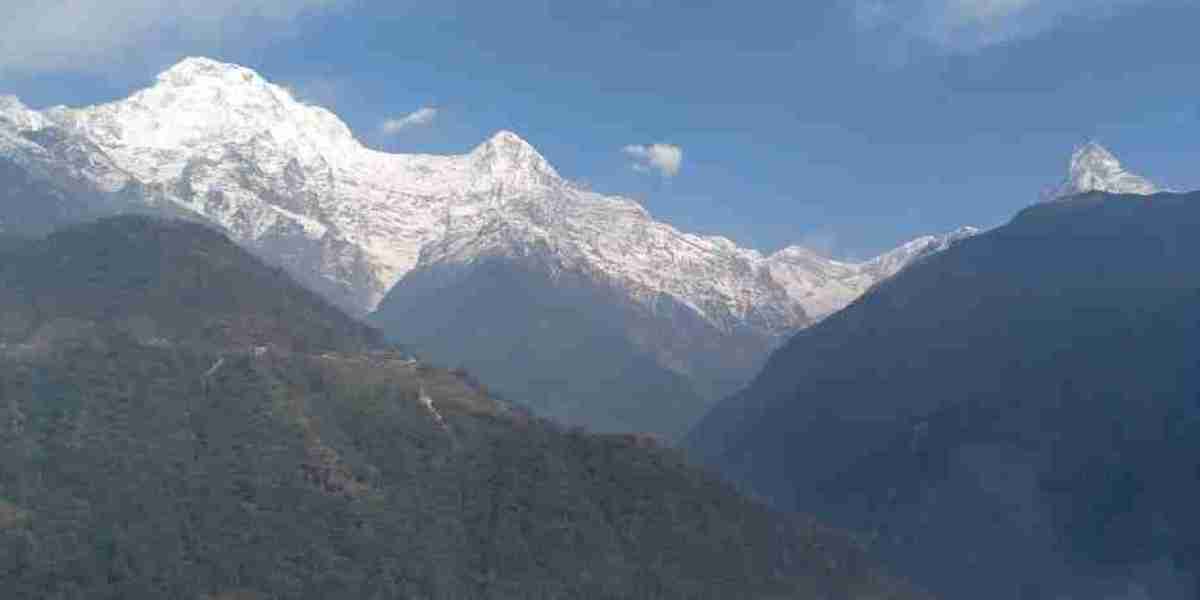
Manang is a critical stop for acclimatization, positioned at high altitude and surrounded by arid landscapes. Spending one or two nights here allows trekkers to adjust to thinner air before attempting Thorong La Pass. In Manang, travelers can explore local bakeries, small shops, and viewpoints offering stunning panoramas of Annapurna II, Annapurna IV, and Pisang Peak. The village’s Tibetan Buddhist influence and historic architecture offer a glimpse into life in high-altitude regions, enriching the trek beyond its physical challenges.
The trail continues to Yak Kharka and Thorong Phedi, where the environment becomes increasingly barren and windswept. Vegetation is sparse, and trekkers must be mindful of altitude, pace, and energy levels. Reaching Thorong La Pass at 5,416 meters represents the highest and most challenging point of the trek. Early morning ascents are advised to avoid icy conditions, and the reward at the summit is breathtaking: panoramic views of the Annapurna and Dhaulagiri ranges, a moment that encapsulates the grandeur of the Himalayas.
Descending into the Mustang region reveals a starkly different landscape. Arid valleys, desert-like terrain, and culturally significant villages like Muktinath showcase a unique blend of Hindu and Buddhist traditions. This section of the trek is less physically demanding, allowing trekkers to reflect on their journey while enjoying spiritual and cultural experiences in remote communities. The Mustang region’s dramatic scenery and ancient architecture provide a striking contrast to the lush valleys at the trek’s start.
The final stages of the Annapurna Circuit wind through the Kali Gandaki Valley, passing through villages such as Marpha and Jomsom. Marpha is famous for its apple orchards and traditional architecture, while Jomsom offers convenient transport connections to Pokhara. These lower-altitude valleys provide a gentler pace, allowing trekkers to appreciate the beauty of the mountains and local culture without the intensity of high-altitude trekking. This section offers a satisfying conclusion to a diverse and immersive journey.
Planning for a 15-day trek in 2025 requires consideration of budget, accommodation, and food. Teahouses along the route provide simple lodging and hearty meals, with costs increasing at higher altitudes. On average, trekkers can expect to spend $900–$1,500, including permits, accommodation, meals, and optional guides or porters. Dal bhat, noodles, soups, and Tibetan bread are common meals, while snacks such as nuts and energy bars help maintain energy during long walking days. Proper budgeting ensures a comfortable experience and allows focus on the trek itself rather than logistics.
Fitness and safety remain critical elements for a successful trek. Pre-trek conditioning through cardio and strength training, combined with practice hikes carrying a loaded backpack, helps prepare the body for long days on uneven trails. Acclimatization, gradual pacing, and hydration are essential for avoiding altitude sickness, especially before and during the ascent of Thorong La Pass. Carrying a basic first aid kit, trekking poles, layered clothing, and waterproof gear further ensures comfort and safety. Hiring a local guide or porter can provide additional security and support, particularly for first-time trekkers.
Permits required for trekking in the Annapurna region include the Annapurna Conservation Area Permit (ACAP) and the Trekkers’ Information Management System (TIMS) card. These can be obtained in Kathmandu, Pokhara, or at the trailhead, and supporting conservation efforts through these permits contributes to the preservation of the region’s natural beauty. Carrying copies of permits is essential, as checkpoints along the route routinely verify them.
In conclusion, the 15-day Annapurna Circuit Trek in 2025 offers a complete Himalayan experience, blending natural splendor, cultural immersion, and personal challenge. From subtropical valleys to high mountain passes and remote Mustang valleys, trekkers encounter diverse environments and communities that enrich the journey. With proper preparation, attention to fitness, acclimatization, and safety, this trek provides not only breathtaking views and cultural insights but also a transformative adventure that will leave lasting memories of Nepal’s magnificent landscapes and vibrant heritage.