Unlock Your Photography Potential: Discover the Ultimate Lighting Gear!
Lighting is one of the most crucial elements in photography, playing a pivotal role in shaping the mood, texture, and overall composition of an image. Whether you're capturing a breathtaking landscape at sunset or a candid moment at a family gathering, the right photography lighting can dramatically enhance the quality of your photos. In this article, we'll delve into the various types of lighting equipment available for photographers, compare their benefits, and provide guidance on selecting the perfect gear to elevate your photography skills. Expect to learn about natural versus artificial light, the pros and cons of different lighting tools, and practical tips for using them effectively in diverse scenarios.
Understanding Photography Lighting
Photography lighting can be broadly categorized into two types: natural and artificial. Natural light refers to sunlight, which can vary significantly throughout the day, creating different moods and effects. For instance, the golden hour—shortly after sunrise or before sunset—provides a warm, soft light that is often sought after by photographers. In contrast, artificial light can mimic natural light or create entirely different effects, allowing for greater control over the scene. Understanding how lighting affects mood is crucial; warm light can evoke feelings of comfort and nostalgia, while harsh light can create a dramatic and tense atmosphere. Texture is also influenced by lighting, as it can highlight or obscure details in a subject. Compositionally, lighting can direct the viewer's eye and create depth, underscoring the importance of mastering this vital aspect of photography.
Types of Lighting Equipment
When it comes to lighting equipment, photographers have a plethora of options at their disposal. Each type of lighting gear serves its unique purpose and comes with its advantages and disadvantages. Let's explore some of the most commonly used lighting tools, including softboxes, reflectors, and LED panels, and how each can enhance your photography experience.
Softboxes
Softboxes are a favorite among photographers for their ability to create soft, diffused light. By enclosing a light source within a box with a diffusion material, softboxes help to eliminate harsh shadows and provide a more even illumination. This characteristic makes them particularly useful for portrait photography, as they produce flattering light that enhances skin tones and textures. Additionally, softboxes are versatile and can be used in various settings, whether in a studio or on location, making them a staple in any photographer's kit.
Reflectors
Reflectors are another invaluable tool for photographers, known for their versatility and ability to enhance natural lighting. They come in various colors, such as silver, gold, white, and black, each providing different effects. For instance, a silver reflector can create a bright and crisp highlight, while a gold reflector adds warmth to the light. Reflectors are particularly useful in outdoor settings where you may want to bounce sunlight onto your subject, filling in shadows and providing a more balanced exposure. Their lightweight and portable nature make them easy to transport, allowing photographers to enhance their lighting on the go.
LED Panels
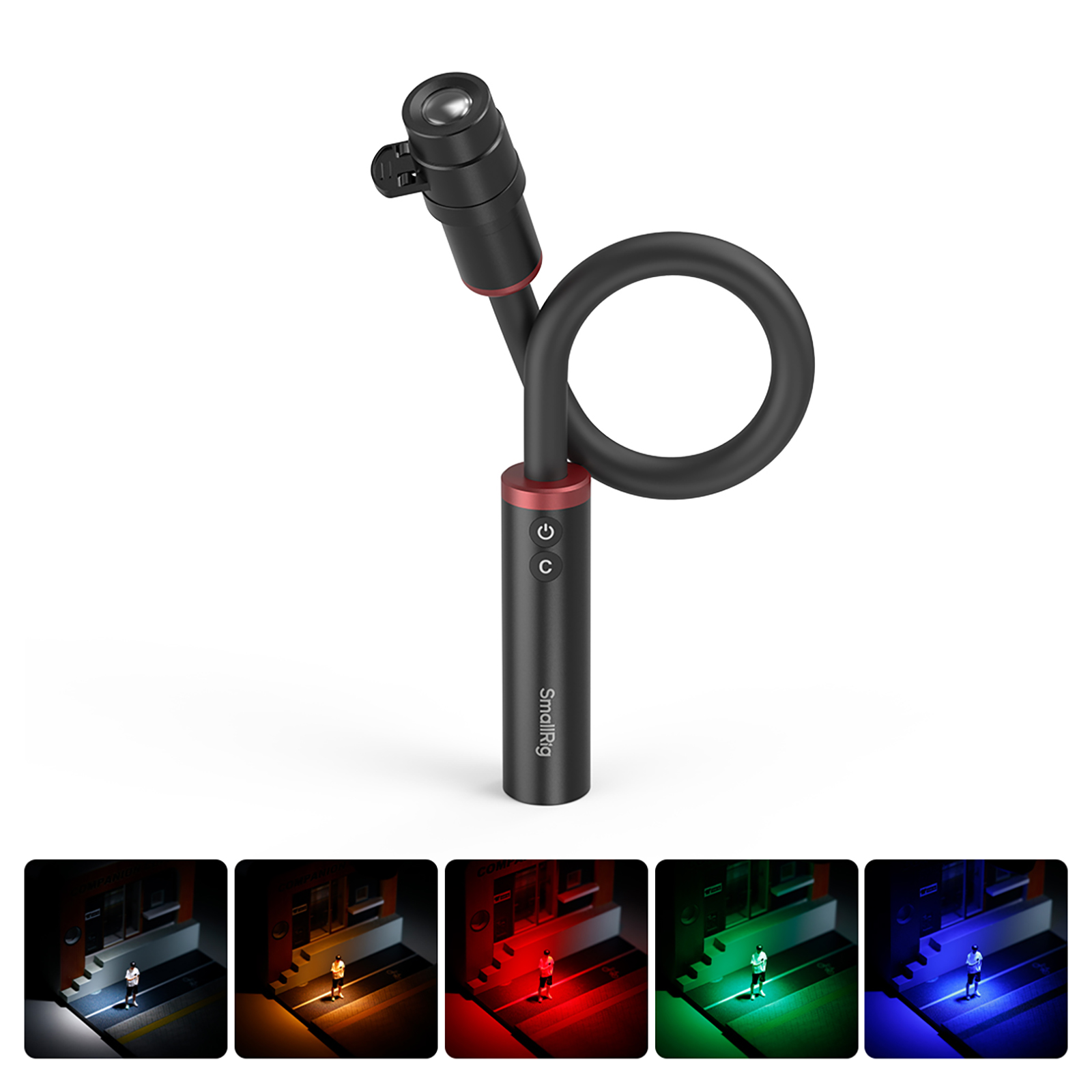
LED panels have gained popularity in recent years, especially among videographers and photographers who require consistent and adjustable lighting. These panels provide a powerful light source that can be dimmed or adjusted for color temperature, making them incredibly flexible for various shooting environments. Portability is another significant advantage; many LED panels are battery-operated, allowing for on-location shoots without the need for cumbersome power sources. Whether you are shooting portraits, products, or video content, LED panels can deliver high-quality lighting that meets your creative vision.
Choosing the Right Lighting Gear for Your Needs
When it comes to selecting the right lighting gear for your photography needs, several factors come into play. First, consider your photography style—are you a portrait photographer, landscape enthusiast, or product shooter? Each style may require different lighting solutions. Next, assess your budget; while it can be tempting to invest in high-end equipment, there are also affordable options that can produce excellent results. Lastly, think about your specific requirements, such as portability for outdoor shoots or the need for adjustable lighting for video work. Taking these factors into account will help you make an informed decision that aligns with your creative goals.
Practical Tips for Using Lighting Equipment
Effectively using lighting equipment can significantly enhance your photography results. Start by experimenting with different light placements; for instance, placing a softbox at a 45-degree angle can create flattering shadows on a subject's face. Don't be afraid to mix and match your lighting tools; using reflectors alongside softboxes can add depth and dimension to your images. Additionally, always be mindful of the ambient light in your environment, as it can impact how artificial light interacts with your subject. For outdoor photography, try to work during the golden hour for a naturally beautiful glow, or use reflectors to fill in shadows when the sun is harsh. By practicing these techniques, you’ll be able to create stunning images that capture the essence of your subjects.
Maximizing Your Photography Lighting Skills
In summary, mastering photography lighting is essential for creating visually captivating images. By understanding the different types of lighting and equipment available, as well as how to choose and use them effectively, you can unlock your full photography potential. Don't hesitate to explore various lighting options and experiment with different setups to enhance your skills. Remember, the right lighting can transform an ordinary photograph into an extraordinary piece of art.