Unlocking the Secrets of Nasal Aspirators: The Essential Guide for New Parents
As a new parent, you quickly learn that your little one can face several challenges, and one of the most common issues is nasal congestion. Infants, with their tiny nasal passages, can become congested easily due to colds, allergies, or even the dry air of winter. This can lead to discomfort, trouble feeding, and disrupted sleep. Thankfully, nasal aspirators are here to help! These simple yet effective devices are designed to clear your baby's nasal passages, making breathing easier and more comfortable. By understanding what a nasal aspirator is, how it works, and the benefits it provides, you can give your infant the relief they need. In this article, we’ll explore everything you need to know about nasal aspirators, ensuring you’re well-equipped for these little hiccups in your parenting journey.
What is a Nasal Aspirator?
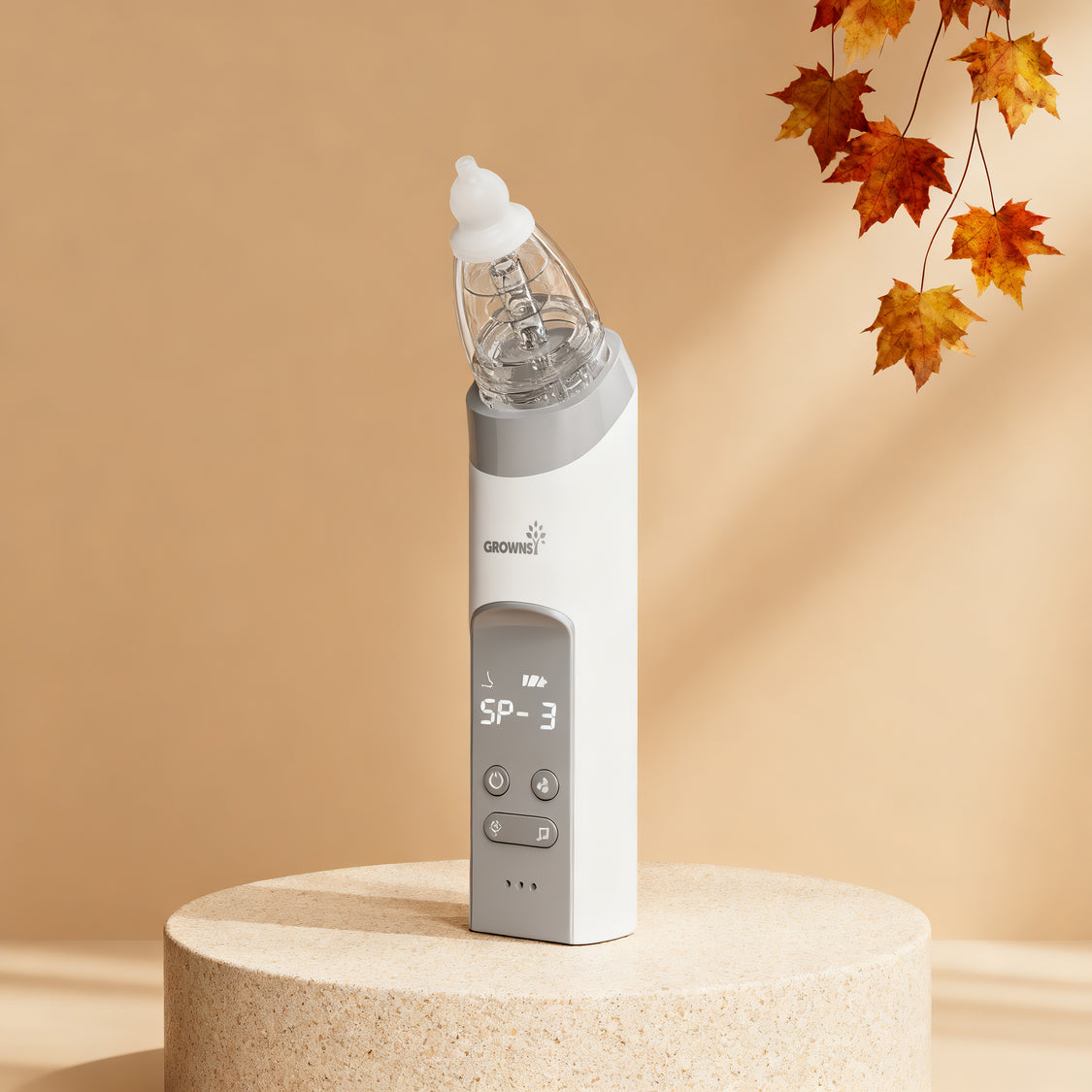
A nasal aspirator is a device used to remove mucus from an infant’s nasal passages, helping to alleviate congestion. There are various types of nasal aspirators available, including bulb syringes, electric aspirators, and manual aspirators. Bulb syringes are the most traditional type, consisting of a rubber bulb that creates suction when squeezed and released. Electric aspirators, on the other hand, use a battery-operated mechanism that provides consistent suction with ease. Manual aspirators often resemble a straw, where the caregiver can create suction by sucking through one end while placing the other end in the baby’s nostril. Each type has its own mechanism, but the primary goal remains the same: to clear mucus and improve breathing for infants.
How Nasal Aspirators Work
Nasal aspirators work by creating a suction effect that gently pulls mucus from the nasal passages. For instance, using a bulb syringe involves squeezing the bulb to expel the air, positioning the tip at the entrance of the baby’s nostril, and slowly releasing the bulb. This action creates suction, drawing out mucus. For electric aspirators, you simply place the nozzle comfortably against the nostril and turn the device on. The suction is automatic and typically adjustable, allowing for a gentle approach. Regardless of the type, the goal is to be quick and effective while ensuring the baby remains comfortable. It’s crucial to keep the aspirator clean after each use to maintain hygiene and prevent any potential infections.
Benefits of Using Nasal Aspirators for Infants
The benefits of using nasal aspirators for infants are numerous. Firstly, they provide immediate relief from nasal congestion, which can significantly enhance your baby's comfort. Many parents have shared stories of their babies' improved feeding habits after using a nasal aspirator, as congestion often makes it difficult for infants to latch or suck effectively. Additionally, relieving nasal congestion can lead to better sleep for both the baby and the parents. A friend of mine, who recently became a parent, fondly recalls how a nasal aspirator transformed their nights, turning previously restless evenings into peaceful sleep. Furthermore, by preventing excessive mucus build-up, nasal aspirators can help avoid complications such as ear infections, which are common when congestion persists. Overall, these devices are essential for maintaining the health and well-being of infants.
How to Use a Nasal Aspirator Safely and Effectively
Using a nasal aspirator effectively and safely is crucial for both the infant’s comfort and the caregiver’s peace of mind. Start by ensuring the nasal aspirator is clean and sanitized. If using a bulb syringe, squeeze the bulb before placing it in the nostril. For electric models, ensure the device is charged and ready to go. Position the baby in a comfortable position, ideally sitting up or slightly reclined. Gently insert the tip into one nostril, while keeping the other nostril closed to create an effective suction. Slowly release the bulb or turn on the electric aspirator to remove the mucus. After use, clean the aspirator according to the manufacturer's instructions, and always monitor your baby for any signs of discomfort or distress during the process. With practice, using a nasal aspirator can become a quick and straightforward part of your infant care routine.
Key Takeaways on Nasal Aspirators
In conclusion, understanding nasal aspirators is an essential aspect of infant care for new parents. These devices not only alleviate nasal congestion but also enhance feeding and sleeping patterns, contributing to overall infant health. By learning how to use them effectively and safely, you can ensure your baby remains comfortable and happy during those inevitable bouts of congestion. As you navigate the world of parenthood, consider incorporating a nasal aspirator into your toolkit—it could make all the difference in your child’s comfort and your peace of mind.