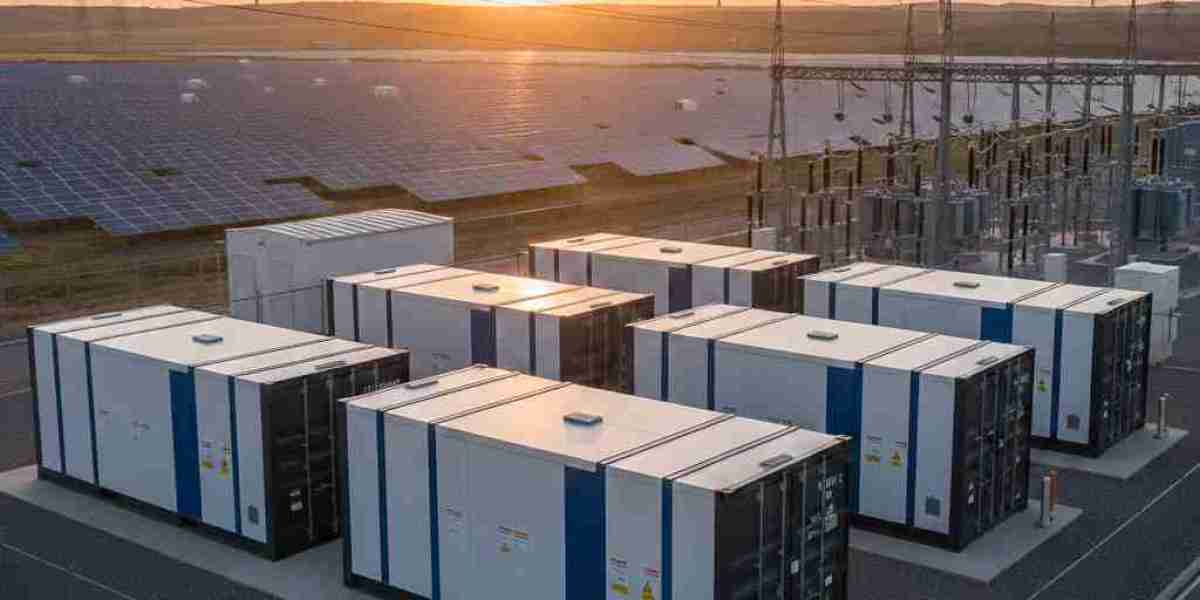
The Graphene Energy Container System (GECS) is an advanced, containerized energy storage solution that leverages graphene-enhanced battery technology to deliver high-performance, scalable, and reliable power. These systems are revolutionizing grid storage, renewable energy integration, and critical infrastructure backup.
This article explores what a graphene energy container system is, how it works, its advantages, applications, and future trends.
What Is a Graphene Energy Container System?
A Graphene Energy Container System is a fully enclosed, modular energy storage unit designed for easy deployment and scalability. Unlike stationary energy storage solutions, these container systems are pre-engineered to house batteries, inverters, thermal management, and control systems within a standardized shipping container format.
By incorporating graphene-enhanced batteries, these systems achieve higher energy density, faster charge and discharge rates, and longer lifecycle compared to conventional lithium-ion container systems. GECS units can be deployed in utility-scale projects, commercial sites, or remote areas where reliable and efficient energy storage is essential.
How Graphene Energy Container Systems Work
Graphene energy container systems operate through a combination of advanced batteries, inverters, and intelligent energy management:
Energy Capture
The system stores electricity from the grid or renewable energy sources like solar or wind.
Energy Storage
Graphene-enhanced batteries maintain energy safely with minimal degradation, even under high cycling conditions.
Energy Discharge
The stored energy is delivered to the load or grid during peak demand, outages, or when renewable generation is insufficient.
Control and Monitoring
Integrated software monitors battery health, temperature, state-of-charge, and power flow to optimize performance and prevent failures.
Scalability
Multiple container units can operate in parallel to provide higher capacity or longer-duration storage for large-scale applications.
Key Technologies in Graphene Energy Container Systems
1. Graphene-Enhanced Batteries
High conductivity for fast charging and discharging
Extended cycle life (up to 10,000 cycles)
Enhanced thermal stability for safety and efficiency
2. Modular Power Electronics
Inverters and converters efficiently manage energy flow between storage and load
Supports both AC and DC applications
3. Intelligent Energy Management Systems (SEMS)
Predictive analytics optimize charging/discharging cycles
Remote monitoring and control allow real-time adjustments
4. Thermal Management Systems
Cooling and ventilation ensure batteries operate within safe temperature ranges
Increases lifespan and operational reliability
5. Containerized Design
Standardized shipping container format enables rapid deployment and transport
Fully enclosed for protection against environmental conditions, vandalism, or accidents
Advantages of Graphene Energy Container Systems
1. High Performance
Faster charging, high discharge rates, and minimal energy loss make these systems suitable for demanding applications.
2. Scalability
Modular design allows adding more container units as energy demand grows.
Flexible capacity for utility-scale storage, microgrids, or industrial sites.
3. Reliability
Graphene batteries provide extended lifecycle and enhanced thermal stability, ensuring continuous operation.
4. Portability and Rapid Deployment
Pre-packaged container units can be transported and deployed quickly for temporary or permanent applications.
5. Integration with Renewable Energy
Supports solar, wind, or hybrid microgrid projects by storing excess energy and providing reliable supply during downtime.
6. Environmental Sustainability
Graphene-enhanced batteries reduce chemical waste and extend system lifespan, minimizing the carbon footprint.
Applications of Graphene Energy Container Systems
1. Grid-Scale Energy Storage
Supports utilities in peak shaving, load balancing, and renewable energy integration.
2. Microgrids
Provides reliable power for remote communities, industrial sites, and islands where grid connection is limited.
3. Critical Infrastructure
Ensures uninterrupted power supply for hospitals, data centers, telecom networks, and emergency services.
4. Renewable Energy Projects
Maximizes solar and wind energy utilization, storing excess generation for later use.
5. Temporary and Disaster Recovery Deployments
Rapidly deployable container systems provide emergency power during natural disasters or grid failures.
6. Commercial and Industrial Sites
Reduces operational costs, ensures energy reliability, and supports sustainability initiatives.
Best Practices for Implementing Graphene Energy Container Systems
Accurate Load Assessment
Determine peak demand, backup requirements, and renewable integration potential to size the system appropriately.
Scalable Deployment
Start with core modules and expand as energy needs increase.
Intelligent Monitoring
Use integrated SEMS to optimize battery usage, predict maintenance needs, and prevent failures.
Thermal and Safety Management
Ensure proper ventilation, cooling, and safety protocols for high-capacity container systems.
Integration with Renewable Sources
Pair with solar, wind, or hybrid microgrids for maximum efficiency and sustainability.
Future Trends in Graphene Energy Container Systems
Advanced Graphene Materials
Higher energy density, faster charge cycles, and enhanced durability will continue to improve performance.
AI and Predictive Energy Management
Systems will optimize battery use, energy dispatch, and maintenance automatically.
Hybrid and Multi-Technology Containers
Integration of flow batteries, long-duration storage, and supercapacitors for diverse energy needs.
Increased Adoption in Emerging Markets
Remote areas and industrial developments will benefit from portable, high-performance containerized energy storage.
Sustainable Modular Solutions
Focus on eco-friendly design, recyclable materials, and minimal environmental impact.
Conclusion
Graphene Energy Container Systems represent a revolutionary approach to energy storage, combining the benefits of graphene-enhanced batteries with modular, portable container design. These systems offer high performance, rapid deployment, scalability, and reliability, making them ideal for utility-scale projects, microgrids, critical infrastructure, and renewable energy integration.
As the energy sector moves toward sustainability and resilience, containerized graphene storage units provide an effective solution to meet the growing demand for clean, efficient, and dependable power. For businesses, utilities, and remote operators, investing in graphene energy container systems ensures flexibility, future-proof energy storage, and operational continuity in a rapidly evolving energy landscape.