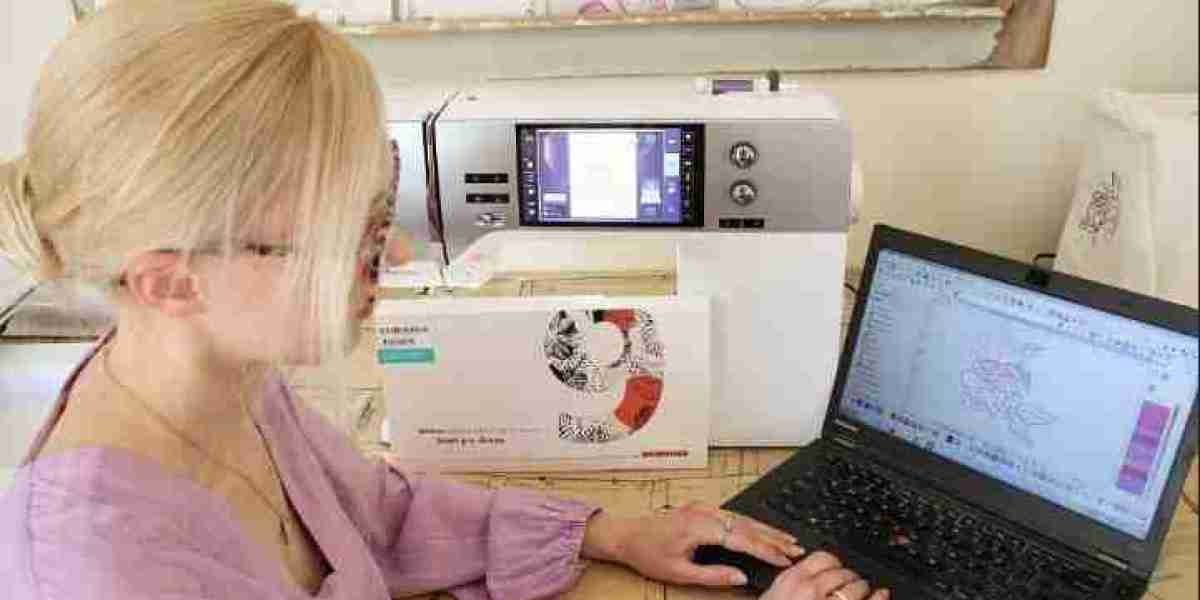
You have a beautiful logo. You send it to a friend who has an embroidery machine. The design comes back looking nothing like what you sent. The letters are jagged. The colors bleed together. The fabric puckers around the edges. Your friend apologizes and says the machine must be acting up. But the machine is fine. The problem was the file. This is where skilled digitizers for embroidery make all the difference between frustration and beautiful results.
Embroidery digitizing is not just pushing a button and watching software work magic. It is an art form and a technical skill rolled into one. A skilled digitizer understands how thread behaves, how fabric reacts, and how machines interpret commands. They make hundreds of decisions that determine whether your design stitches flawlessly or turns into a tangled mess. This guide explains why their expertise matters and what happens when you trust your designs to professionals.
What Embroidery Digitizers Actually Do
Let us start with the basics. An embroidery digitizer takes your artwork and converts it into stitch commands that machines understand . This is not as simple as it sounds. A JPG shows what the design looks like. A digitized file tells the machine where to start, where to end, how dense the stitches should be, which direction they should run, when to change colors, and when to trim thread.
A skilled digitizer does not just trace your logo. They make artistic and technical decisions with every element. They look at your design and think about how it will stitch on different fabrics, how light will reflect off the finished piece, and how the machine will move from one area to another.
This expertise takes years to develop. It requires understanding stitch types, density calculations, underlay structures, pull compensation, and color theory . It is part engineering, part art, and completely essential for quality results.
The Hidden Complexity of Stitch Types
One of the first things skilled digitizers master is choosing the right stitch type for each element.
Satin stitches create smooth, raised edges. They work perfectly for borders, letters, and thin elements. When light hits a satin stitch, it reflects evenly, giving a glossy, professional look . But satin stitches have width limits. Too wide, and they become loose and floppy. A skilled digitizer knows exactly how wide to make them and when to switch to other stitch types.
Fill stitches cover large areas efficiently. These are also called tatami stitches because the pattern resembles a woven rice mat. The digitizer sets the density and direction. Too dense, and the fabric puckers. Too loose, and you see backing through the design . A professional knows the sweet spot for every fabric type.
Running stitches handle fine details, outlines, and underlay. They are simple straight stitches that define edges and add subtle accents . A skilled digitizer uses running stitches to create details that would be lost with wider stitches.
Specialty stitches like bean stitches add weight and definition where needed . The digitizer decides when a single pass is enough and when a design needs extra emphasis.
Choosing the wrong stitch type ruins a design. Jagged edges, gaps, and poor coverage all trace back to this fundamental decision. Skilled digitizers make it look easy because they have done it thousands of times.
The Hidden Magic of Underlay
Here is something most people never see. Underlay stitches are the ones you cannot see in the final design. They go down first, hidden beneath the top stitches, but they determine whether your embroidery lasts or falls apart .
Underlay serves several crucial purposes.
It stabilizes the fabric. Embroidery machines punch thousands of holes per minute. Without underlay, the fabric shifts and distorts. Underlay holds everything in place .
It prevents edges from sinking. Satin stitches need something to sit on. Underlay provides that base, keeping the top stitches raised and defined .
It adds structure to fills. Fill stitches over proper underlay lie flat and even. Without underlay, they can pucker or sag .
Different fabrics need different underlay. A stretchy knit needs more aggressive underlay than a stable woven. A skilled digitizer knows exactly which underlay type and density to use for your specific material .
Beginners and auto-digitizing software often skip underlay entirely. The result is designs that shift, pucker, and wear out quickly. Professionals never skip this step.
Pull Compensation: Accounting for Physics
Here is a reality of embroidery. When you stitch into fabric, the thread tension pulls the material together. This is called pull. It happens on every design, every time .
If you digitize a circle exactly the size you want, it will stitch as an oval because the fabric pulls more in one direction than another. Text scrunches up. Borders narrow.
Pull compensation is the digitizer's solution. They intentionally widen certain areas so that after the fabric pulls, the stitches end up the correct size and shape .
This requires experience. Too little compensation, and your design still pulls. Too much, and it looks stretched and distorted. The right amount depends on fabric type, stitch density, and design complexity .
Auto-digitizing software uses generic compensation values that work for average situations. Skilled digitizers adjust for your specific project, ensuring perfect results every time.
Stitch Direction and Light
Embroidery thread catches light differently depending on which direction it runs. This is not a bug. It is a feature that skilled digitizers use to enhance designs .
When you stitch an area with stitches running vertically, light reflects one way. Horizontal stitches reflect another way. By varying stitch direction, the digitizer creates visual texture and depth .
In a leaf design, stitches might radiate outward from the stem, following the natural veins. This makes the leaf look more realistic . In a logo, careful direction choices make the design pop and prevent a flat, lifeless appearance .
Stitch direction also affects how the design wears. Proper direction can reduce thread abrasion and extend the life of the embroidery .
Beginners often ignore stitch direction or set it randomly. The result is a flat, lifeless design that lacks dimension. Skilled digitizers use direction deliberately to create visual interest.
Sequencing for Efficiency and Quality
The order in which stitches appear matters enormously. A skilled digitizer sequences the design thoughtfully.
They group same colors together to minimize thread changes . Each color change is a machine stop. Fewer stops mean faster production and less wear on the machine.
They start with elements farthest from the center. This prevents the presser foot from crushing already-stitched areas as it moves across the design.
They plan trims strategically. Trimming too often creates loose ends and extra steps. Trimming too rarely leaves long jump stitches that tangle or show on the surface.
They consider density transitions. Moving from a dense area to a light area requires careful planning to avoid visible lines or gaps.
Poor sequencing causes thread breaks, wasted time, and ugly results. Skilled digitizers plan the entire stitch order before a single needle moves.
Density Control for Different Fabrics
One density setting does not fit all fabrics. A design that stitches beautifully on denim might pucker on performance knit. A design that works on twill might sink into fleece .
A skilled digitizer asks about your fabric before they start. They adjust density based on your specific material . Dense fabrics can handle higher stitch counts. Looser fabrics need lighter density to prevent distortion.
They also consider the design itself. Tiny text in a dense area needs different handling than a large fill. The digitizer balances coverage with fabric integrity.
Beginners often use default density settings and wonder why designs fail on different materials. Professionals adjust for every project.
Color Matching and Thread Selection
Digitizers do not just place stitches. They also help with color decisions.
They select thread colors that match your artwork as closely as possible using standard thread charts . Different thread brands have different color palettes. A skilled digitizer knows which brands work best for which applications.
They consider thread weight. Most embroidery uses 40-weight thread, but sometimes 60-weight works better for fine details . The digitizer's choices affect how the final design looks.
They test color sequences. Stitching light colors after dark colors can cause contamination if the machine does not trim and clean thoroughly. Proper sequencing minimizes this risk.
What You Lose with Auto-Digitizing
Auto-digitizing software has improved over the years. For simple designs with bold shapes and limited colors, it can produce acceptable results. But it has fundamental limitations that skilled digitizers overcome.
Auto-digitizing cannot understand design intent. It sees pixels, not concepts. It does not know that this shape is a letter and that shape is a border. It makes generic decisions that miss the nuances of your design .
Auto-digitizing uses generic settings. It applies the same density, underlay, and compensation to every similar shape. It does not adjust for your specific fabric, thread, or machine .
Auto-digitizing cannot handle complexity. Gradients, tiny text, and intricate details confuse algorithms. The results are often messy and require extensive manual cleanup .
Auto-digitizing has no quality control. It does not test designs or catch errors. You discover problems when thread breaks and fabric puckers.
The Cost of Poor Digitizing
Let us talk about what bad digitizing actually costs you. Thread is not free. Fabric is not free. Your time is not free.
When you stitch a bad file, you discover problems after investing time and materials. The design puckers. Thread breaks repeatedly. Colors are wrong. You unpick or discard the piece and start over.
One ruined garment can cost more than the price of professional digitizing. One hour of frustration trying to fix a bad file is worth more than the $15 you saved.
Professional digitizers prevent these costs. They deliver files that stitch perfectly the first time, saving you money, materials, and sanity.
Why Professionals Trust Professionals
Here is something interesting. Even experienced embroiderers often outsource digitizing. They know that digitizing is a specialized skill separate from stitching.
A shop owner might run six machines, handle customer service, and manage inventory. They do not have time to become a digitizing expert. They partner with skilled digitizers who handle the file side while they focus on production.
This division of labor makes sense. The digitizer brings years of specialized knowledge. The embroiderer brings production efficiency. Together, they deliver quality results that neither could achieve alone.
Recognizing Quality Digitizing
How can you tell if a digitizer knows their craft? Look for these signs.
Smooth edges. Curves should be smooth, not jagged. Stitch types chosen to create clean outlines.
Consistent density. Fill areas evenly covered without thin spots or excessive bulk.
Proper underlay. Hidden stitches stabilize the design. You should not see them, but they should be there.
Logical sequencing. Colors change efficiently. The machine moves smoothly between areas.
Correct sizing. The design matches your specified dimensions with proper stitch recalculation.
Tested performance. The digitizer offers test files and guarantees their work.
Conclusion
Skilled digitizers for embroidery matter because they transform artwork into flawless stitch files. They understand stitch types, underlay, pull compensation, density, direction, and sequencing in ways that software alone cannot replicate. They make hundreds of decisions that determine whether your design succeeds or fails.
When you work with a skilled digitizer, you are not just buying a file. You are buying expertise that makes your machine perform at its best. You are buying insurance against ruined garments and wasted thread. You are buying the peace of mind that comes from knowing your design will stitch beautifully the first time.
Your embroidery machine is capable of incredible work. Feed it files from skilled digitizers, and it will prove it every single time.