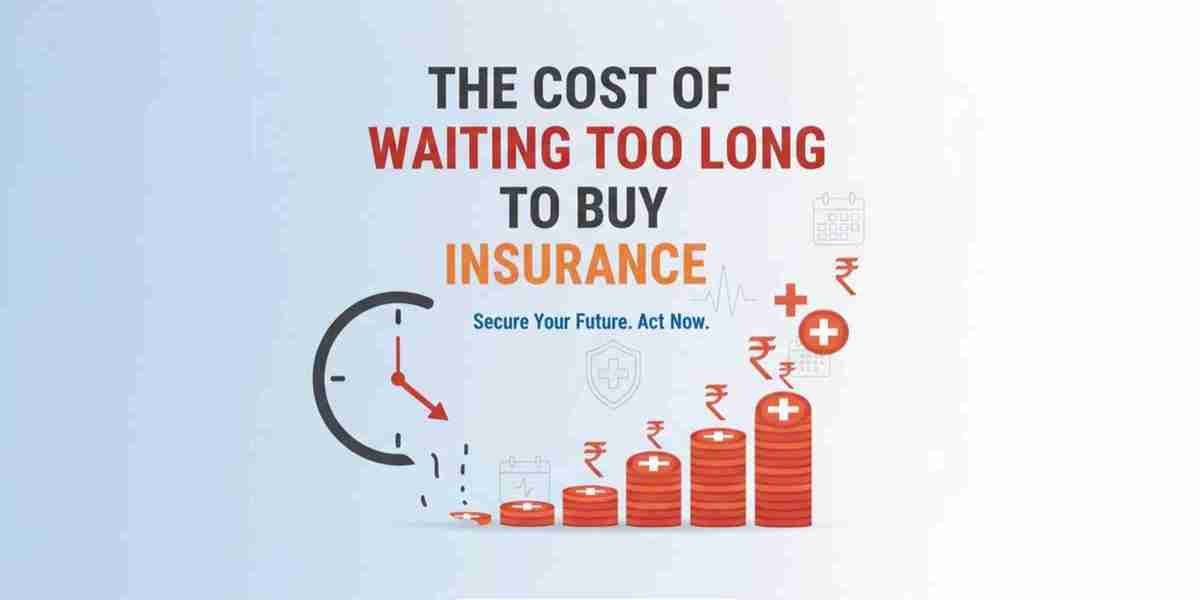
Delaying health insurance is one of the most common and costly financial mistakes people make. Many believe insurance is something to handle “once life settles.” But medical emergencies don’t wait for milestones, and the cost of waiting goes far beyond higher premiums.
Reduced protection, restricted flexibility, and unpleasant claim-time surprises that could have been prevented with earlier, well-informed decisions are the true losses.
Why Delaying Health Insurance Costs More Than You Expect
1. Age Changes the Nature of Coverage
As you grow older, insurance doesn’t just become expensive it becomes restrictive.
Policies bought later in life often come with:
- Disease-wise sub limits
- Mandatory copay clauses
- Longer waiting periods
- Tighter underwriting conditions
Two people may hold policies with the same sum insured, yet experience very different claim outcomes simply because one bought earlier. Timing directly affects how a policy behaves when it matters most.
2. Medical Inflation Erodes Coverage Quickly
Healthcare costs in India are rising every year. Hospital room rents, procedures, implants, diagnostics, and consumables that were considered “reasonable” a few years ago now exceed policy limits.
When you delay buying insurance:
- Coverage adequacy weakens over time
- Sub-limits age poorly
- Out-of-pocket expenses increase
Even a short delay can mean paying more for coverage that no longer aligns with real medical costs.
3. Claim Surprises Are Built Into Policy Design
Most claim shocks don’t happen because insurers reject claims outright. They happen because of policy structures such as:
- Room rent capping
- Non-payable items
- Disease-specific limits
- Hidden copays and deductibles
These features are not rare exceptions—they are standard policy components. The problem is that most buyers discover them during hospitalization, when there is no room to change or upgrade coverage.
The Biggest Cost of Waiting: Lack of Understanding
The true risk of waiting isn’t just financial it’s informational.
This is where Bima Analyze fits into the ecosystem.
While insurance buying has become faster and more digital, policy understanding has remained static. Complex contracts still decide real financial outcomes, yet they are rarely read or clearly explained.
Bima Analyze bridges this gap by translating policy clauses into practical insights before a claim happens. It helps identify where a policy provides strong protection and where financial exposure exists.
Early Buyers Have an Invisible Advantage
People who buy insurance early and understand it gain time as an asset.
They can:
- Track changes in coverage relevance
- Upgrade or port policies strategically
- Fix gaps before health risks increase
Those who delay often encounter policy weaknesses during their first major claim, when correction is no longer possible.
Why BimaScore Matters in Early Decision-Making
BimaScore offers a standardized way to measure how protective a health insurance policy actually is in real medical scenarios.
Instead of relying on marketing language or assumptions, it answers a critical question:
How well will this policy perform when a real claim occurs?
This allows buyers to:
- Compare policies objectively
- Identify weaknesses early
- Strengthen coverage while options are still available
Buying insurance early delivers maximum value only when paired with clarity.
Frequently Asked Questions
Q1. When is the best time to purchase health insurance?
A: As early as possible, when health risks are low and policy options are widest.
Q2. Does delaying insurance affect claims later?
A: Yes, Waiting periods, exclusions, and copays activate later and impact claims more as health risks rise.
Q3. Can policy gaps be corrected later?
A: Some can but only if they’re identified early and acted upon in time.
Q4. How can I judge if my policy is actually good?
A: Not through brochures, but through structured policy analysis.
Conclusion
Waiting to buy health insurance doesn’t save money, it increases uncertainty. Premiums rise, coverage weakens, and claim-time stress becomes more likely. Insurance works best when it’s bought early and understood clearly. That clarity before the claim is what turns insurance from a document into real financial protection.