


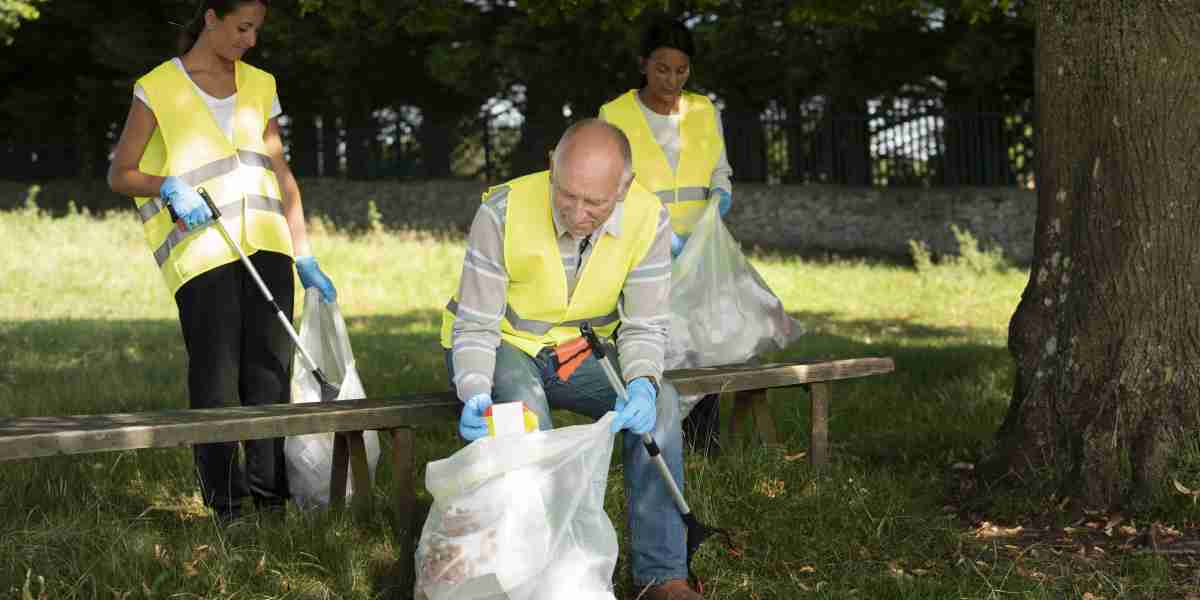
Organizing a large cleanup project—whether it’s for a construction site, home renovation, estate cleanout, commercial property, or community event—requires careful planning and coordination. Without a structured approach, waste can pile up quickly, timelines can stretch, and costs can spiral. The key to success lies in preparation, efficient execution, and proper waste handling.
Here’s a comprehensive step-by-step guide to help you plan and execute a large cleanup project smoothly and efficiently.
Step 1: Define the Scope of the Project
Before anything else, determine the full scope of your cleanup. Ask yourself:
What type of waste will be generated?
How much debris do you expect?
Is this a one-time project or ongoing?
Are there hazardous materials involved?
Understanding the size and nature of the project allows you to estimate labor, equipment, budget, and timelines accurately. For example, a home garage cleanout will require a very different strategy than a commercial demolition site.
Create a checklist outlining all areas that need to be cleaned, cleared, or demolished. This ensures nothing is overlooked during execution.
Step 2: Set a Realistic Budget
Budgeting is crucial for large-scale cleanups. Costs typically include labor, equipment rental, transportation, disposal fees, and potential permits. Factor in contingency funds for unexpected waste volume or delays.
Research local rates and compare service providers early in the planning process. This helps prevent last-minute decisions that could increase expenses. A clear financial plan keeps your project organized and prevents overspending.
Step 3: Develop a Cleanup Timeline
Large projects can quickly become overwhelming without a structured timeline. Break the cleanup into manageable phases:
Preparation and setup
Sorting and segregation
Removal and hauling
Final inspection and site check
Assign deadlines to each phase. If working with a team, designate responsibilities to specific individuals. Clear timeframes improve accountability and productivity.
For commercial or construction projects, coordinate cleanup schedules with contractors or project managers to avoid workflow interruptions.
Step 4: Sort and Categorize Waste
Efficient waste management begins with proper sorting. Separate materials into categories such as:
Recyclables (metal, cardboard, plastics)
Organic waste
General debris
Hazardous materials
Sorting waste reduces disposal costs and improves environmental responsibility. It also makes transportation more efficient since certain materials may require specialized handling.
If hazardous materials are present, consult professionals to ensure compliance with local regulations. Mishandling dangerous waste can lead to fines or safety hazards.
Step 5: Arrange Professional Support
For large cleanup projects, professional assistance can significantly streamline the process. Hiring experienced waste disposal services ensures debris is removed safely, legally, and efficiently. Professionals understand local regulations, landfill requirements, and recycling protocols, which reduces the risk of compliance issues.
Outsourcing disposal tasks also frees up your team to focus on the primary objectives of the project rather than logistics. When evaluating providers, consider reliability, equipment availability, pricing transparency, and customer reviews.
Step 6: Choose the Right Equipment
The equipment you select can greatly influence efficiency. For smaller cleanups, heavy-duty trash bags and bins may suffice. However, large projects often require industrial-grade solutions.
Depending on the volume of debris, renting a truck roll off dumpster can provide a centralized and convenient disposal option. These containers are ideal for construction debris, renovation waste, landscaping projects, and large property cleanouts. Having a designated disposal space keeps the site organized and minimizes hazards caused by scattered debris.
Make sure the container size matches your project needs to avoid unnecessary hauls or overflow problems.
Step 7: Prioritize Safety Measures
Safety should never be an afterthought. Large cleanup projects can involve sharp objects, heavy materials, dust, and potentially hazardous substances.
Ensure all participants:
Wear protective gloves, masks, and safety goggles
Use steel-toe boots if heavy debris is involved
Follow proper lifting techniques
Stay hydrated and take breaks
If machinery or heavy equipment is involved, only trained individuals should operate it. Clear signage and designated pathways can also prevent accidents on larger sites.
Step 8: Maintain Site Organization
An organized site improves efficiency and safety. Keep tools in designated areas and ensure waste piles are clearly separated. Avoid creating multiple small debris piles across the property; instead, centralize collection to streamline removal.
Regularly monitor progress throughout the cleanup process. Address bottlenecks immediately to keep things moving smoothly.
Daily site checks help ensure waste is being managed properly and prevent rework later.
Step 9: Dispose of Waste Responsibly
Proper disposal is not just about clearing space—it’s about environmental responsibility. Many materials can be recycled or repurposed, reducing landfill impact.
Research local recycling facilities and donation centers. Usable items such as furniture, appliances, or building materials may benefit charities or resale organizations.
For commercial projects, maintaining documentation of responsible disposal may also support sustainability reporting or compliance requirements.
Step 10: Conduct a Final Inspection
Once the cleanup is complete, perform a detailed walkthrough of the site. Look for:
Remaining debris
Safety hazards
Improperly sorted materials
Damaged surfaces
A final inspection ensures the project meets its original objectives and is safe for occupancy or continued work. If the cleanup is part of a larger construction or renovation project, confirm the site is ready for the next phase.
Step 11: Evaluate and Document the Process
After completion, review what worked well and what could be improved. Document key takeaways such as:
Estimated vs. actual waste volume
Budget accuracy
Timeline efficiency
Vendor performance
This information is invaluable for future cleanup projects and helps refine planning strategies.
Final Thoughts
Organizing a large cleanup project may seem overwhelming at first, but with structured planning and the right resources, it becomes manageable and efficient. From defining the project scope to conducting a final inspection, each step plays a vital role in ensuring smooth execution.
By focusing on proper sorting, safety measures, responsible disposal, and professional support when needed, you can transform even the most cluttered or debris-heavy site into a clean and functional space. Careful preparation not only saves time and money but also ensures environmental responsibility and regulatory compliance.
A well-organized cleanup project is more than just waste removal—it’s a strategic process that sets the foundation for successful renovations, construction, or property restoration.

![[Order Now] GlicoNix Drops– Side Effects, Price, Where To Buy?](https://camlive.ovh/upload/photos/2025/07/XOPEB9Fp1UnBdAUsKA9T_03_9e31cdeb790763c9fc857d20d2027b5b_image.jpg)


